



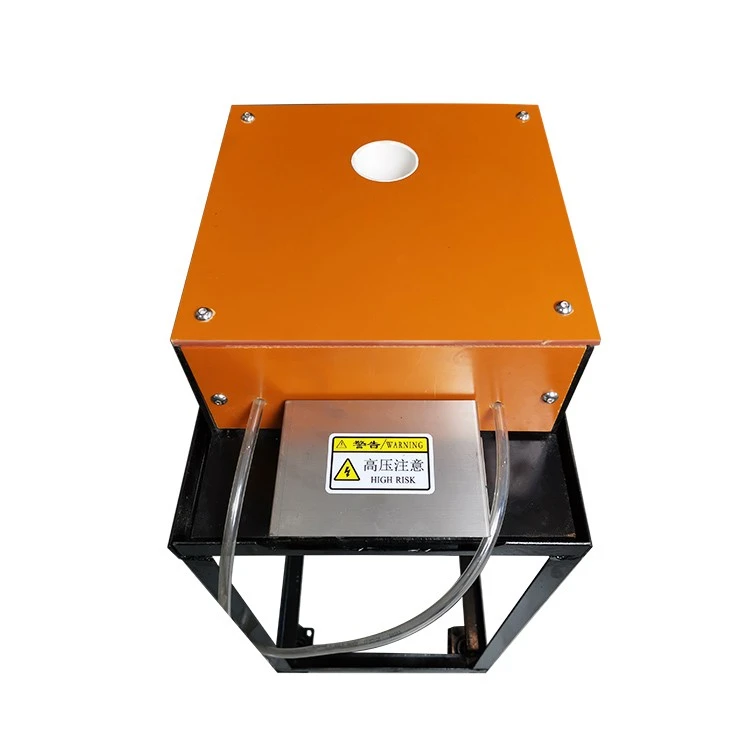

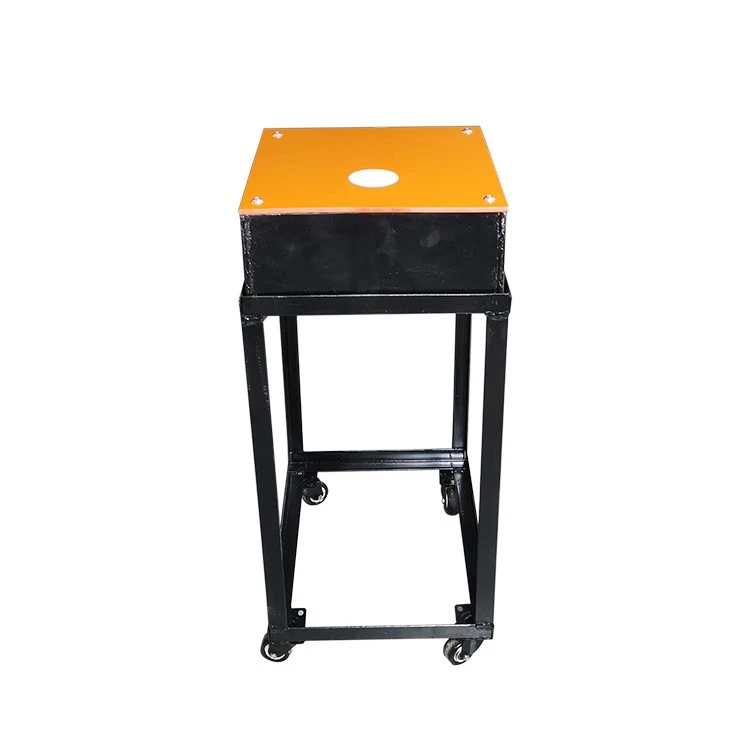

In order to meet various magnetization needs, we focus on providing customized magnetization coils and fixtures. These products can not only achieve efficient energy conversion but also ensure that the magnet obtains the required precise magnetic profile, and has excellent durability and ease of use.
Product features
1. CAD supported mechanical design
We utilize advanced CAD technology to design magnetizing coils and fixtures. This ensures product accuracy and reliability, allowing us to consider potential optimization options during the design phase.
2. Generate a higher magnetic field with less energy
Our magnetizing coils and fixtures use advanced materials and designs to produce higher magnetic fields while consuming less energy. This reduces production costs and improves production efficiency and environmental performance.
3. Increase productivity through higher repetition rates
Our products are engineered to achieve higher repeatability. This means more magnets can be processed in the same production time, significantly increasing productivity.
4. Application-specific cooling
Heat dissipation is a critical issue in some high-power or long-running magnetization applications. Our magnetizing coils and fixtures have application-specific cooling systems to ensure stable performance during continuous operation.
5. Ergonomic design and operation
We focus on the ease of use and comfort of our products. Whether installation, commissioning or routine maintenance, our magnetizing coils and clamps are ergonomically designed to make operation easier and safer.
Customized service
We provide a full range of customized services, including but not limited to:
Design magnetizing coils and fixtures according to the magnet specifications and magnetic requirements provided by customers.
Adjust the product's size, shape and interface according to the customer's production line and production process.
Classification
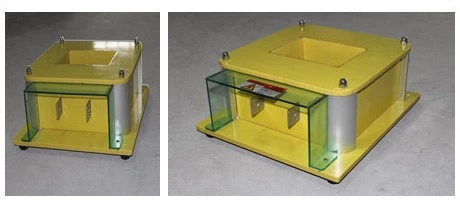
Ordinary magnetizing coil
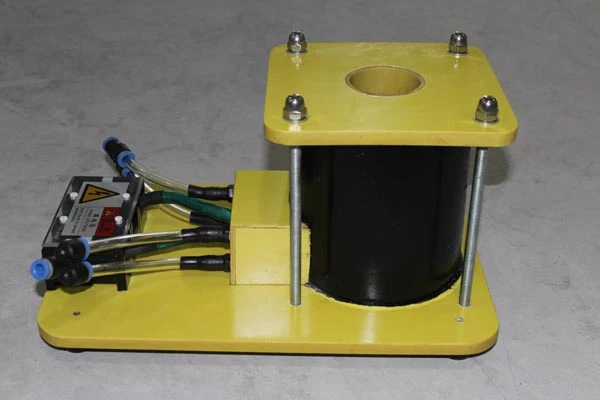
Water cooled magnetizing coil
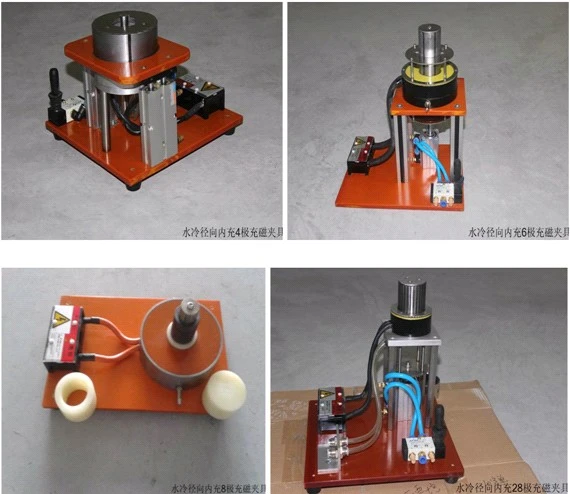
Water-cooled radial internal charging magnetizing fixture
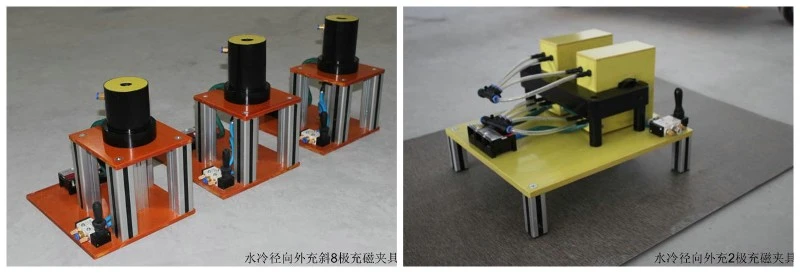
Water-cooled radial external charging magnetizing fixture
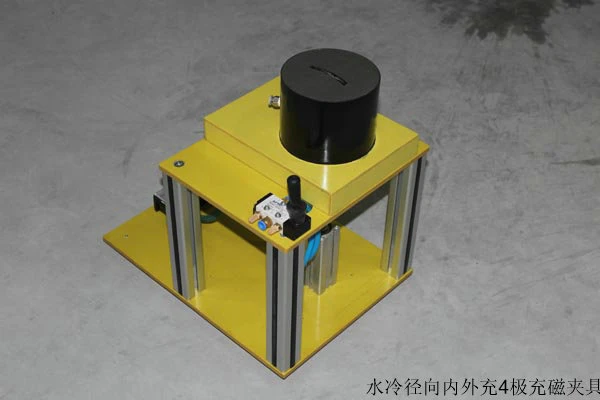
Water-cooled radial internal and external charging magnetizing fixture
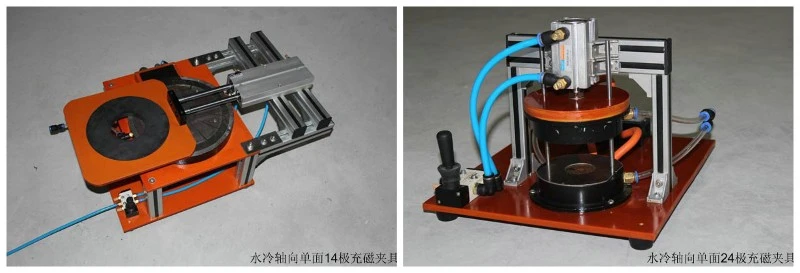
Water-cooled axial magnetizing fixture
Deliver, shipping and serving
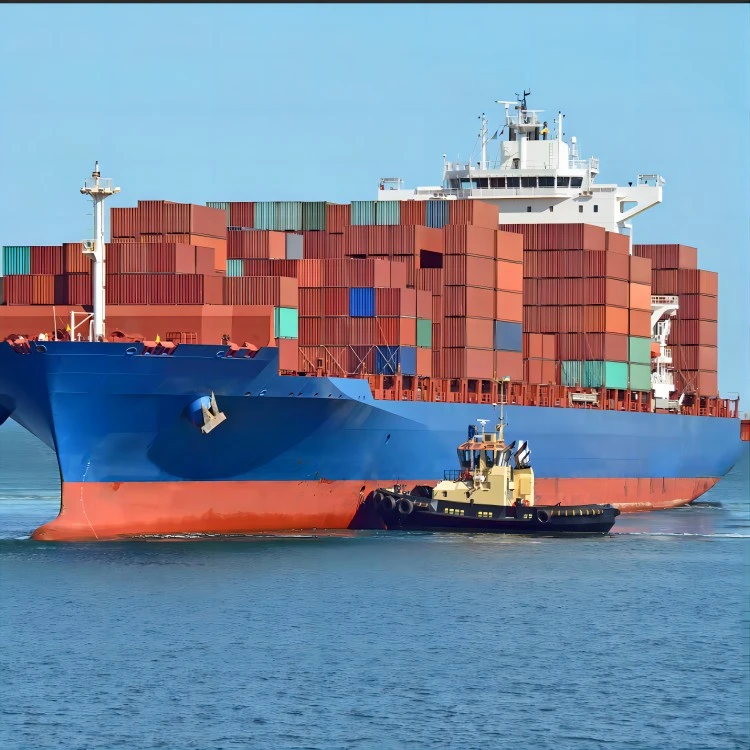
In today's fast-changing business environment, providing excellent customer service has become the cornerstone of cultivating lasting customer relationships. We firmly adhere to the "customer-centric" concept and conduct comprehensive and detailed evaluations of various modes of transportation, including air, sea, and land transportation. Our focus is on developing customized solutions to accurately meet the unique needs of our customers, continuously pursue excellence, and exceed customer expectations. We ensure that every shipment arrives at the destination on time, safely and accurately, providing our valued customers with a worry-free and reliable delivery experience. We are committed to winning the trust and satisfaction of our customers and establishing long-term and stable cooperative relationships through high-quality services.


FAQ
Question 1: How can the balance between high magnetic field and low energy consumption be ensured in the design of magnetizing coils and magnetizing fixtures?
Answer:
1. Material selection:
Select materials with high magnetic permeability and low resistivity to manufacture magnetizing coils, such as copper, silver, etc. These materials can effectively reduce energy loss and increase magnetic field strength.
For magnetizing fixtures, use high-strength, low-reluctance materials to ensure that a higher magnetic field can be generated when a lower current is applied.
2. Coil design:
Optimize the coil's number of turns and wire diameter to reduce current consumption while maintaining sufficient magnetic field strength.
Through precise CAD simulation, determine the optimal shape and size of the coil to maximize the magnetic field distribution and efficiency.
3. Thermal management:
Design an effective cooling system, such as liquid cooling, air cooling, etc., to control the temperature rise during magnetization. High temperature will lead to increased resistance, which in turn reduces efficiency.
Consider thermal expansion and thermal stress in coil and fixture design.
Question 2: When designing Magnetizing Fixtures, how do you consider the impact of the magnetic field distribution it generates on the magnet's performance?
Answer:
1. Magnetic field uniformity:
The uniformity of magnetic field distribution directly affects the magnetization effect of the magnet. If the magnetic field distribution is uneven, the magnetization intensity of different areas inside the magnet may be inconsistent, affecting the magnet's overall performance.
The magnetic field distribution can be predicted and optimised through precise CAD simulation and magnetic field simulation software to ensure that it remains uniform during the magnetization process.
2. Magnetic field strength:
Magnetic field strength is a key factor in the magnetization process and directly affects the magnetization depth and magnetization intensity of the magnet.
When designing magnetizing fixtures, it is necessary to determine the appropriate magnetic field strength range based on the material and specifications of the magnet. The magnetic field strength can be precisely controlled by adjusting parameters such as the number of coil turns and current size.
3. Magnetic field direction:
The magnetic field direction plays a decisive role in the magnetization direction of the magnet. When designing, it is necessary to ensure that the magnetic field direction is consistent with the magnetization direction of the magnet to achieve the best magnetization effect.
By precisely controlling the arrangement of the coils and the direction of the current, the magnetic field direction can be adjusted to meet different magnetization requirements.
4. Thermal effect:
During the magnetization process, magnets and magnetizing fixtures may generate heat. Too high a temperature will affect the magnetization effect and stability of the magnet.
When designing, the influence of thermal effects must be considered, and appropriate heat dissipation measures must be taken, such as adding heat sinks and using liquid cooling, to ensure that the magnetization process is carried out within an appropriate temperature range.