







1 Axis Helmholtz Coil
Introduction
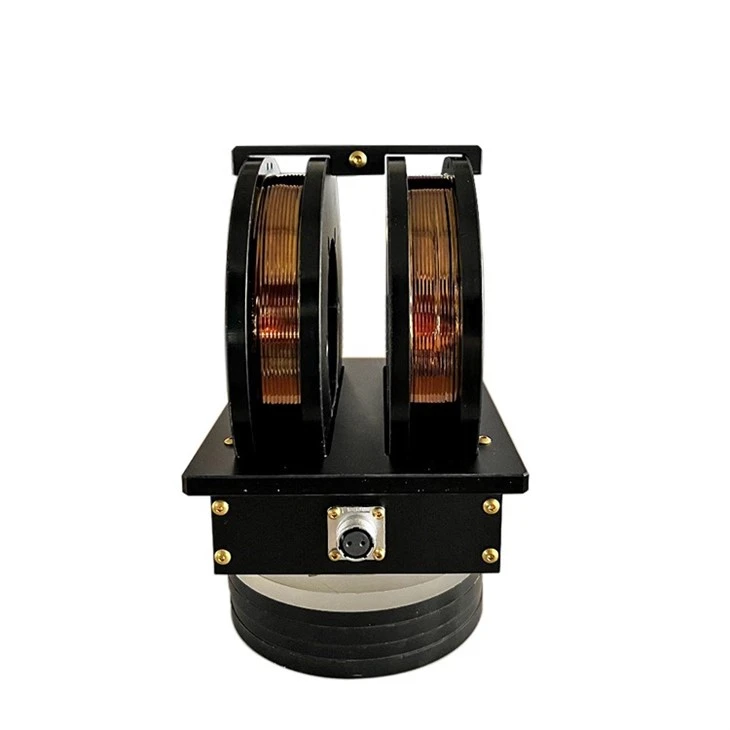
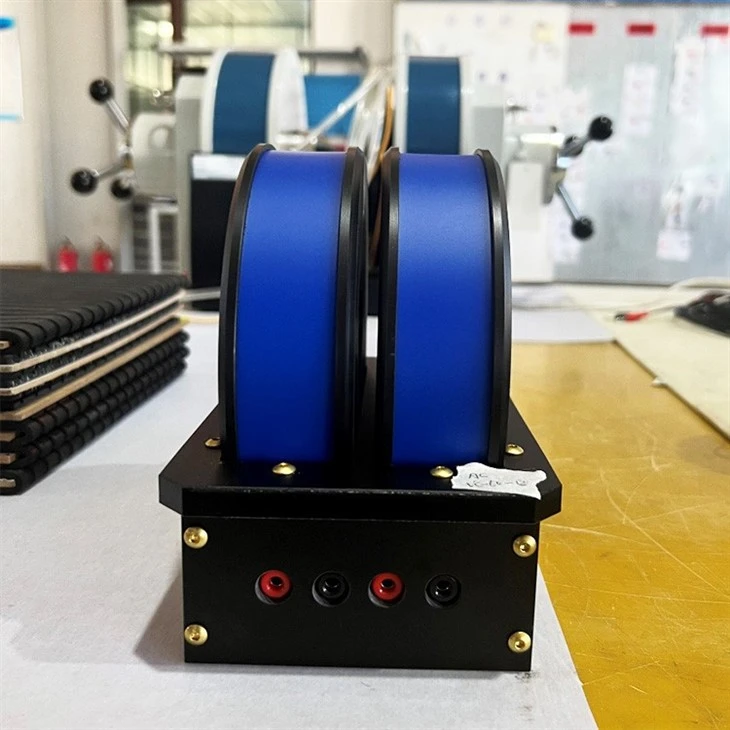
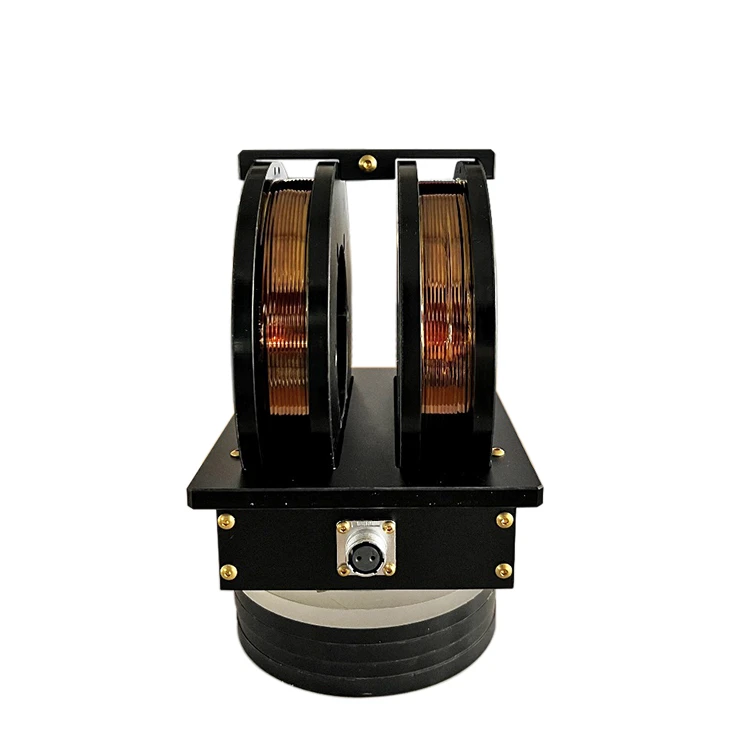
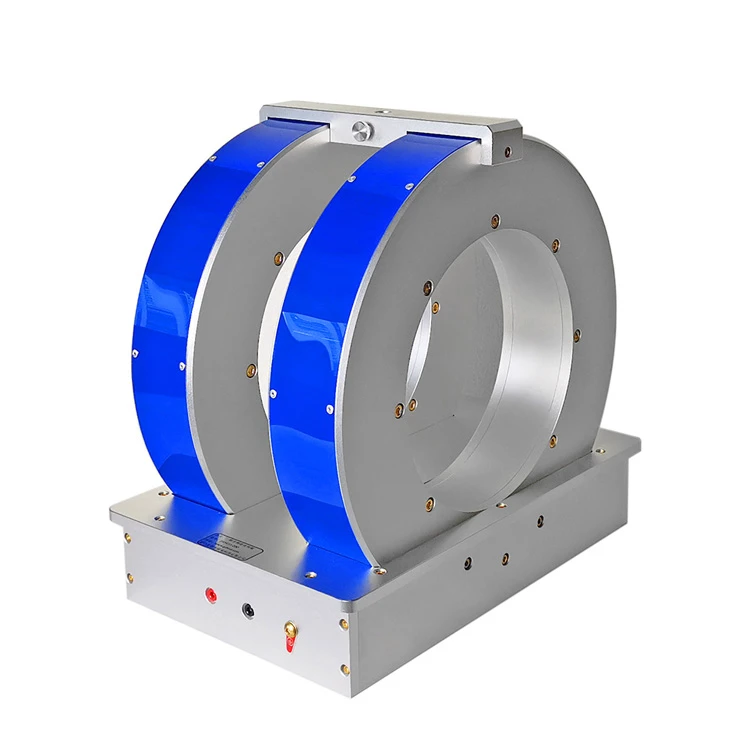
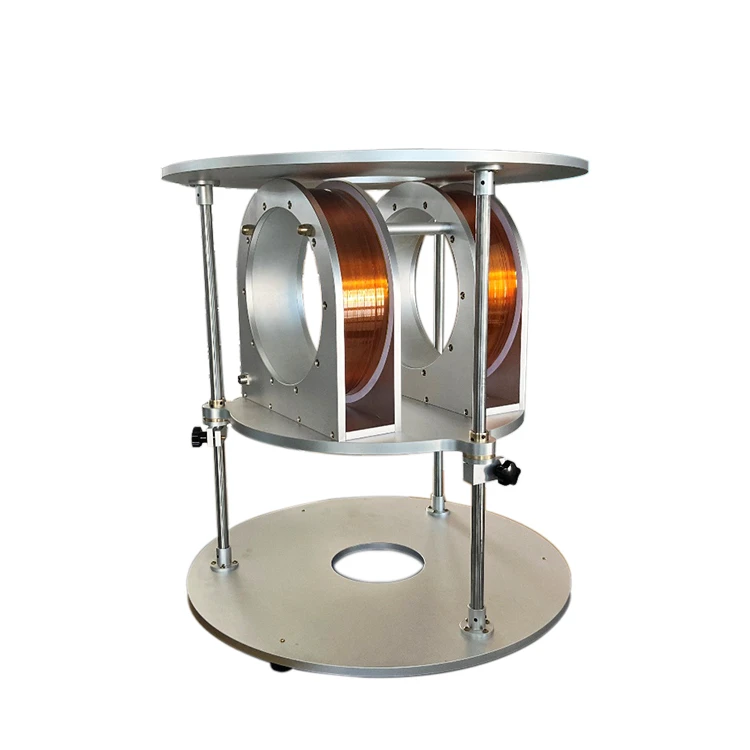
DXHC model 1-axis Helmholtz coil is a type of one-dimensional coil that is widely used in magnetic field testing and research. It is highly valued for its superior uniformity and accuracy in producing a uniform magnetic field.
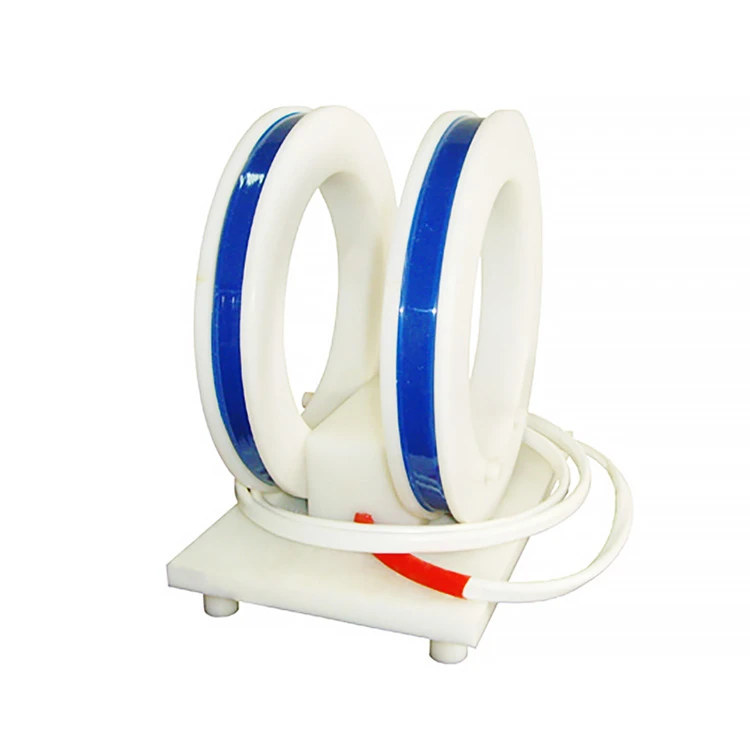
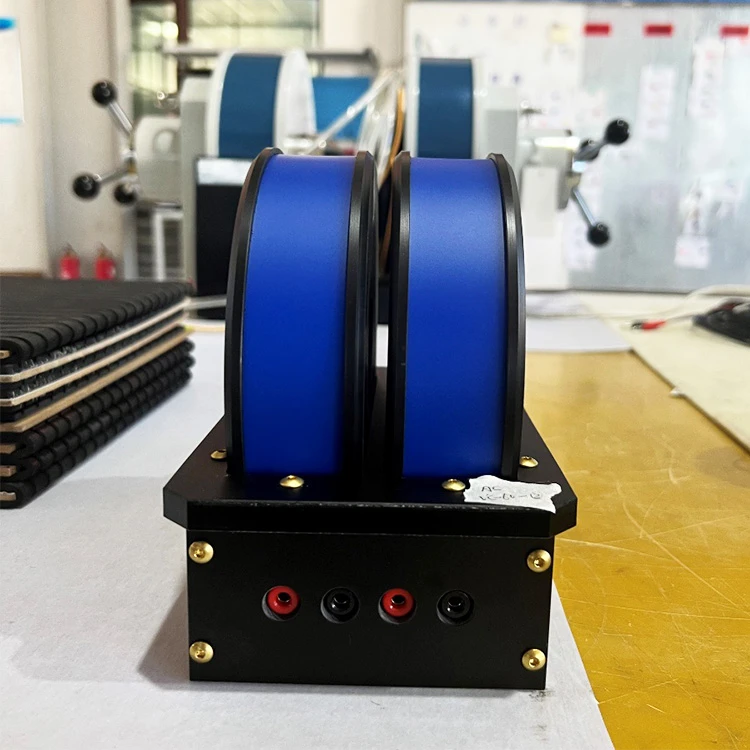
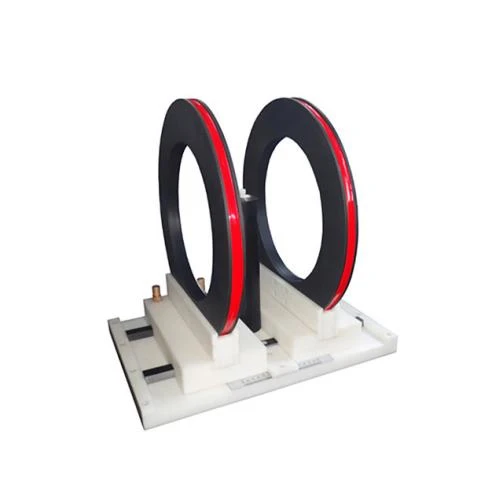
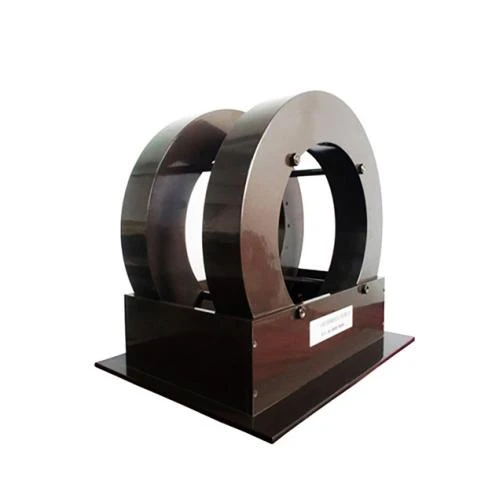
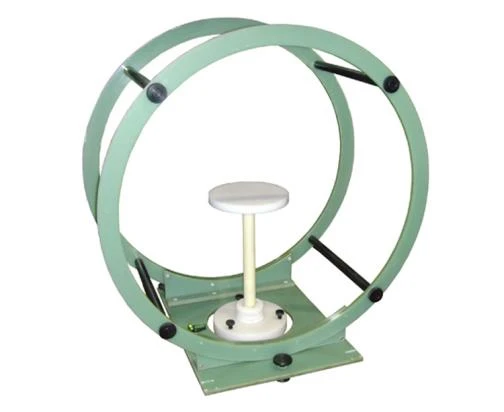
The 1-axis Helmholtz coil is designed with two identical circular coils separated by a distance equal to the radius of the coils. The coils are positioned in a perpendicular orientation to the axis of the magnetic field, generating a field that is uniform and of high precision along the axis.
DXHC model 1-axis Helmholtz coil is manufactured using advanced technology to ensure optimal performance, durability, and reliability. Its high uniformity is achieved through a perfect balance of the length-to-radius ratio of the coils and their exact positioning. This technology ensures that even the slightest deviations from the ideal specification are eliminated, resulting in superior uniformity.
In addition to its excellent performance, DXHC model 1-axis Helmholtz coil is also easy to use and practical. It can be used for various experiments and tests, including magnetic field homogeneity testing, magnetic field calibration, and magnetic field related research.
Overall, DXHC model 1-axis Helmholtz coil is an exceptional product that combines superior uniformity, accuracy, and reliability. It is a valuable asset for researchers and engineers who require precise and dependable magnetic field testing and research tools.
Parameters of the 1-axis Helmholtz coil
|
Model |
Radius |
Center magnetic |
Uniformity |
Homogeneity sphere |
Each dimension |
The 1 axial |
The three dimensional |
|
|
DXHC30-50 |
300 |
50 |
5 |
200 |
420 |
55 |
|
|
|
1 |
150 |
|
||||||
|
DXHC30-10 |
300 |
10 |
0.5 |
100 |
90-120 |
12 |
38 |
|
|
0.1 |
90 |
|
||||||
|
DXHC30-2 |
300 |
2 |
0.05 |
60 |
18~32 |
3.5 |
11 |
|
|
0.01 |
40 |
|
||||||
|
DXHC25-1000 |
250 |
1000 |
5 |
160 |
5000 |
500 |
|
|
|
1 |
125 |
|
||||||
|
DXHC25-500 |
250 |
500 |
0.5 |
100 |
2500 |
250 |
|
|
|
0.1 |
75 |
|
||||||
|
DXHC25-300 |
250 |
300 |
0.05 |
50 |
1600 |
150 |
|
|
|
0.01 |
33 |
|
||||||
|
DXHC25-100 |
250 |
100 |
5 |
160 |
600 |
50 |
|
|
|
1 |
125 |
|
||||||
|
DXHC25-50 |
250 |
50 |
0.5 |
100 |
300~620 |
30 |
138 |
|
|
0.1 |
75 |
|
||||||
|
DXHC25-10 |
250 |
10 |
0.05 |
50 |
60~110 |
8 |
32 |
|
|
0.01 |
33 |
|
||||||
|
DXHC25-2 |
250 |
2 |
5 |
160 |
12~18 |
4 |
14 |
|
|
1 |
125 |
|
||||||
|
DXHC20-500 |
200 |
500 |
0.5 |
80 |
2000 |
160 |
|
|
|
0.1 |
60 |
|
||||||
|
DXHC20-300 |
200 |
300 |
0.05 |
40 |
1000 |
96 |
|
|
|
0.01 |
26 |
|
||||||
|
DXHC20-100 |
200 |
100 |
5 |
130 |
350 |
32 |
|
|
|
1 |
100 |
|
||||||
|
DXHC20-50 |
200 |
50 |
0.5 |
80 |
200~520 |
16 |
54 |
|
|
0.1 |
60 |
|
||||||
|
DXHC20-10 |
200 |
10 |
0.05 |
40 |
40~65 |
8 |
28 |
|
|
0.01 |
26 |
|
||||||
|
DXHC20-5 |
200 |
5 |
1 |
100 |
20~32 |
6 |
22 |
|
|
0.1 |
60 |
|
||||||
|
DXHC20-2 |
200 |
2 |
1 |
100 |
8~10 |
4 |
15 |
|
|
0.1 |
60 |
|
||||||
|
DXHC15-300 |
150 |
300 |
5 |
100 |
660 |
54 |
|
|
|
1 |
75 |
|
||||||
|
DXHC15-100 |
150 |
100 |
0.5 |
60 |
220 |
18 |
|
|
|
0.1 |
45 |
|
||||||
|
DXHC15-50 |
150 |
50 |
0.05 |
30 |
110~330 |
12 |
38 |
|
|
0.01 |
20 |
|
||||||
|
DXHC15-10 |
150 |
10 |
1 |
75 |
21~42 |
6 |
24 |
|
|
0.1 |
45 |
|
||||||
|
DXHC10-200 |
100 |
200 |
5 |
66 |
200 |
19 |
|
|
|
1 |
50 |
|
||||||
|
DXHC10-100 |
100 |
100 |
0.5 |
40 |
100 |
15 |
|
|
|
0.1 |
30 |
|
||||||
|
DXHC10-50 |
100 |
50 |
0.05 |
20 |
50~180 |
9 |
20 |
|
|
0.01 |
10 |
|
||||||
|
DXHC10-10 |
100 |
10 |
1 |
50 |
10~24 |
3.5 |
13 |
|
|
0.1 |
30 |
|
||||||
|
DXHC7-100 |
70 |
100 |
5 |
45 |
50 |
7 |
|
|
|
1 |
35 |
|
||||||
|
DXHC7-50 |
70 |
50 |
0.5 |
28 |
24~120 |
5 |
17 |
|
|
0.1 |
21 |
|
||||||
|
DXHC7-10 |
70 |
10 |
0.05 |
14 |
5~24 |
2 |
8 |
|
Typical cases
|
Model |
Parameters |
Reference picture |
|
DXHC10-100 |
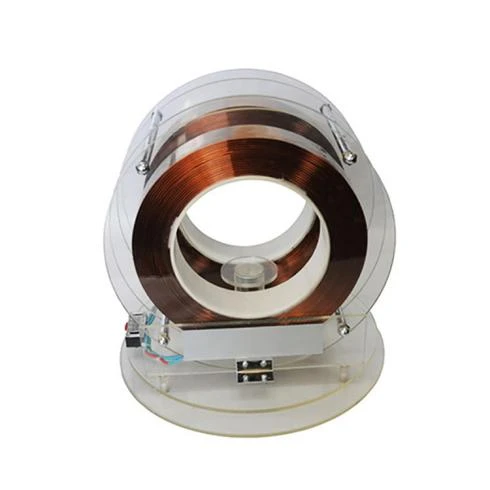
The magnetic field direction is level, The highest field strength is 200 Gs, The average diameter is 200 mm, The uniformity area Φ 30 * 30 mm, The uniformity 0.1%, The power is 200 w |
|
|
DXHC10-10 |
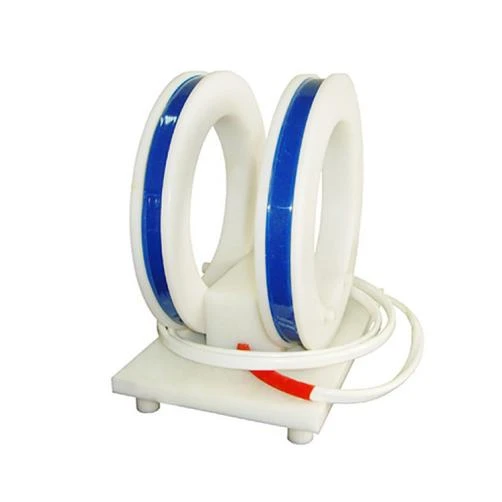
The magnetic field direction is level, the highest field strength is 10 Gs, the average diameter is 200 mm, uniformity area Φ 30 * 30 mm, uniformity 0.1% power is 10 w |
|
|
DXHC10-200 |
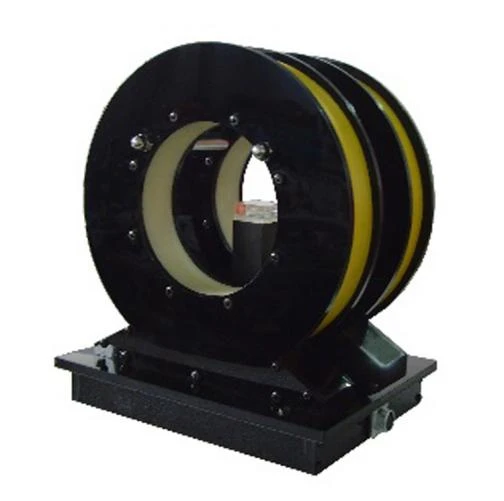
The magnetic field direction is level, the highest field strength is 200 Gs, the average diameter is 200 mm, uniformity area Φ 30 * 30 mm, uniformity 0.1% power is 200 w |
|
|
DXHC20-10 |
The magnetic field direction is level, the highest field strength is 10 Gs, the average diameter is 400 mm, uniformity area Φ 100 * 100mm, uniformity 1% power is 40 |
|
|
DXHC20-200 |
The magnetic field direction is level, the center field strength is 200 Gs, Magnetic field uniformity is 1*10-3, the average diameter is 400 mm, uniformity area Φ 60 * 60 mm, power is 700 w(10A70V) |
|
|
DXHC50-1 |
The magnetic field direction is level, the highest field strength is 1 Gs, the average diameter is 1000 mm, uniformity area Φ 140 * 140 mm, uniformity 0.1%, power is 40 w |
|
Application of helmholtz coil
4.1 Generate a standard magnetic field;
4.2 Calibration of Hall probes and various magnetometers;
4.3 Compensation of geomagnetic field;
4.4 Determination of magnetic shielding effect;
4.5 Measurement and elimination of space radiation magnetic field;
4.6 Research on the magnetic properties of matter;
4.7 Research on biomagnetism;
For example, in the laboratory, Helmholtz coils can be used to measure the properties of magnetic materials, such as magnetization and hysteresis loops. In medical equipment, Helmholtz coils can be used to generate magnetic fields to help treat certain diseases, such as cancer and neurological disorders. In geophysics and astronomy, Helmholtz coils can be used to measure the magnetic fields of the Earth and planets. In the field of engineering, Helmholtz coils are also used to manufacture high-precision sensors. These sensors can accurately measure the magnetic flux in the environmental magnetic field and analyze various other physical quantities in a variable phase through this quantified magnetic field data. Therefore, Helmholtz coils have become an indispensable part of the engineering field
FAQ