




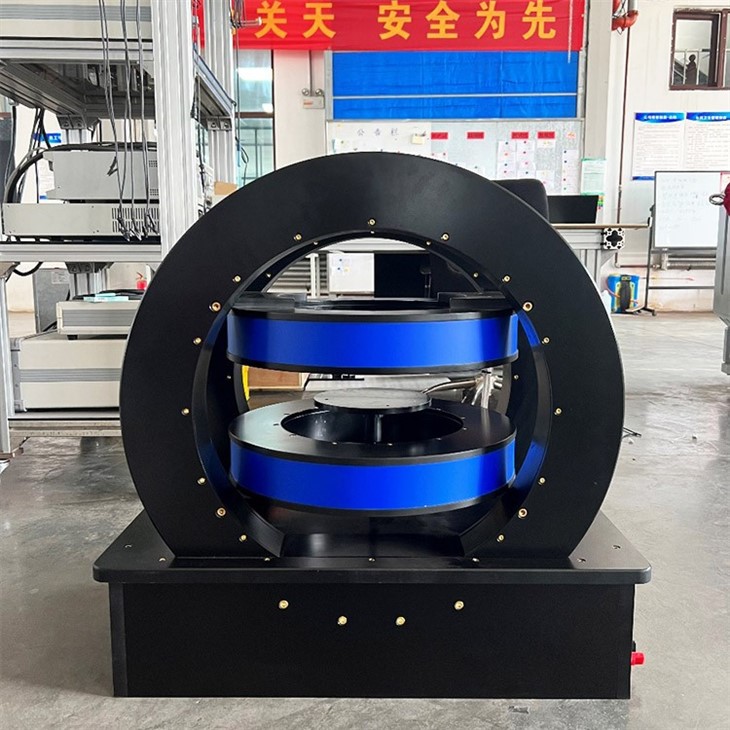

2 Axis Helmholtz Coil
Introduction
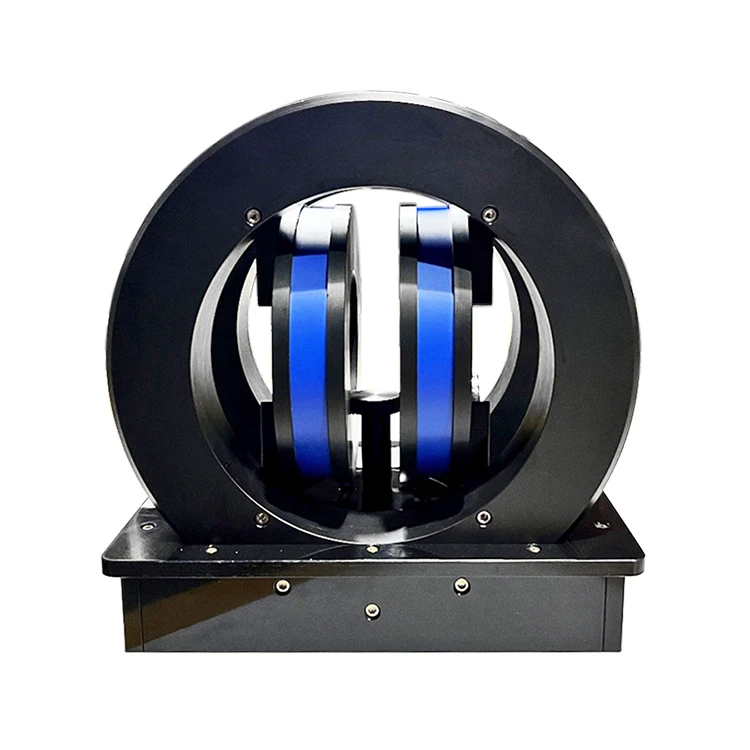
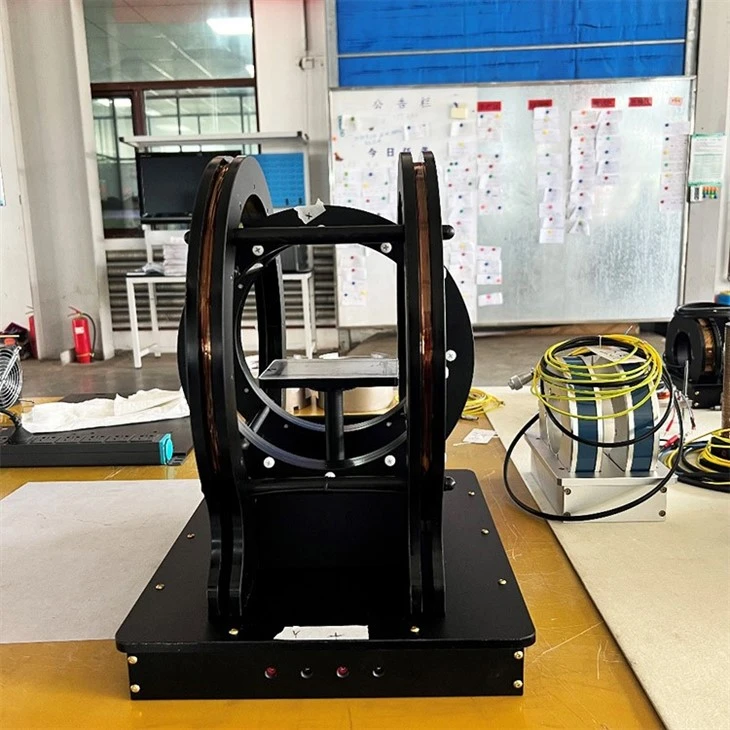
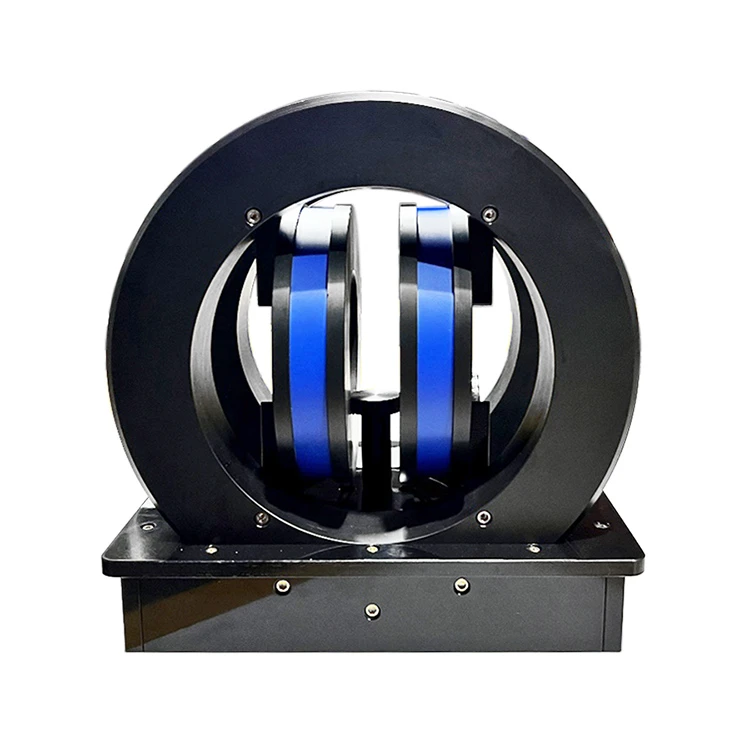
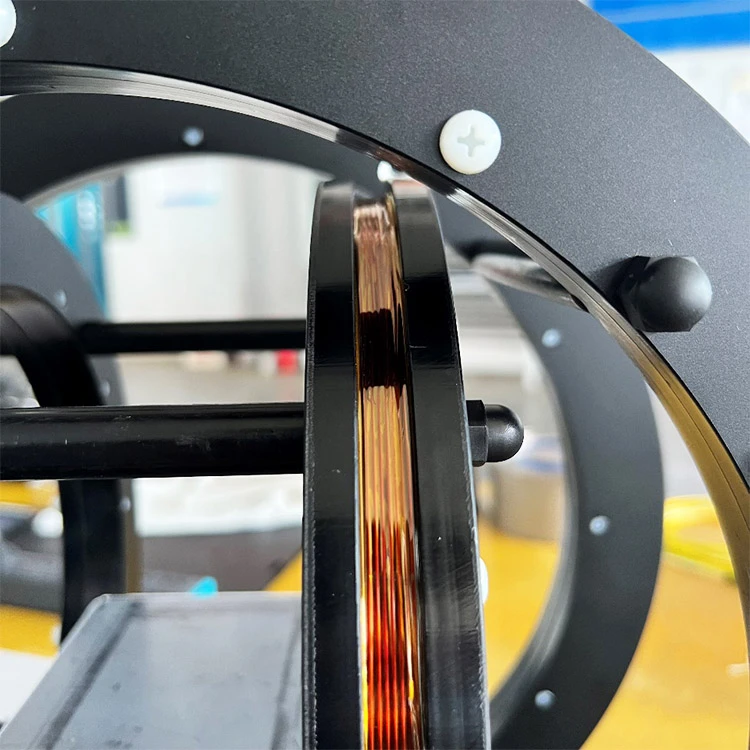
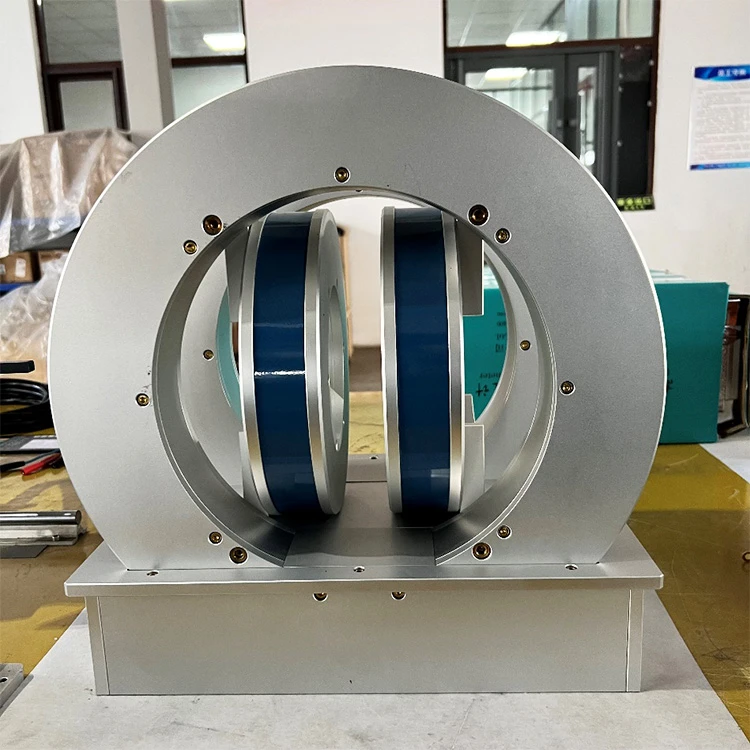
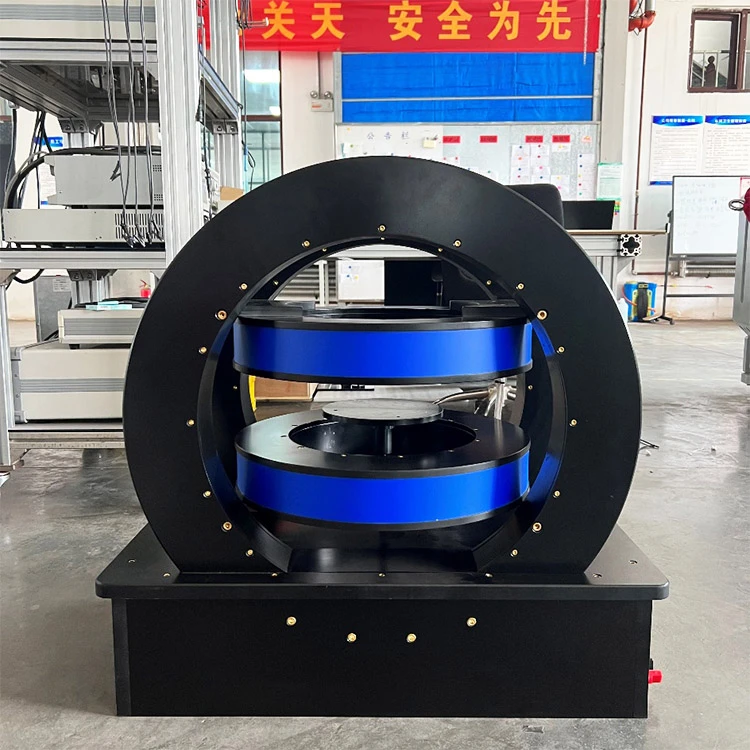
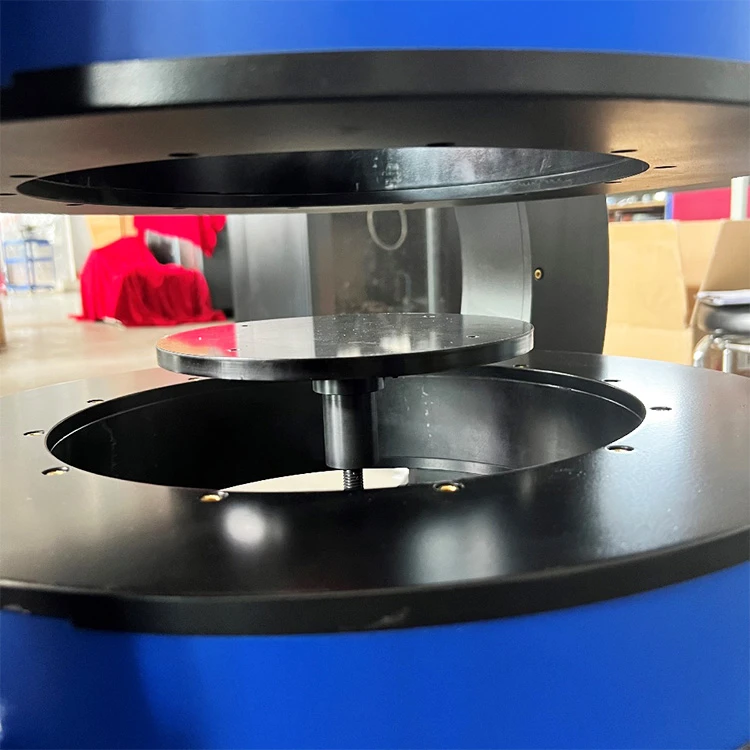
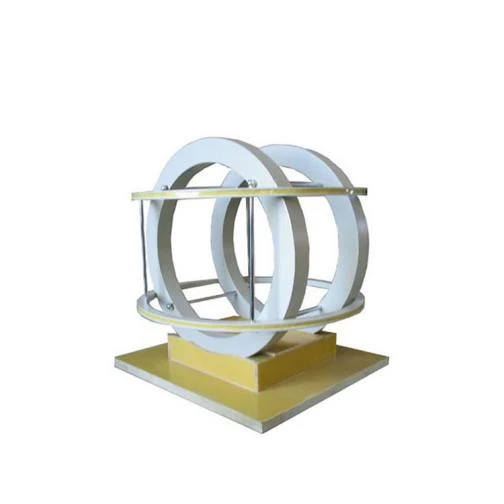
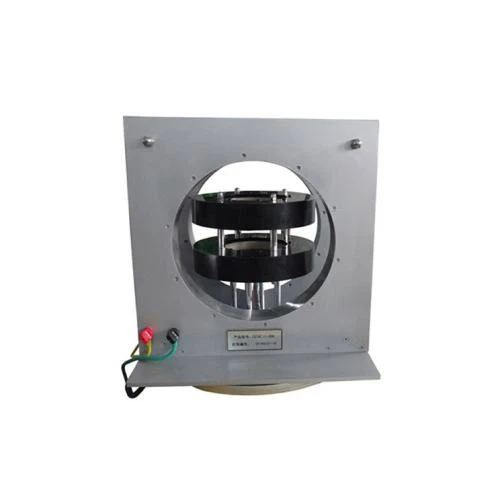
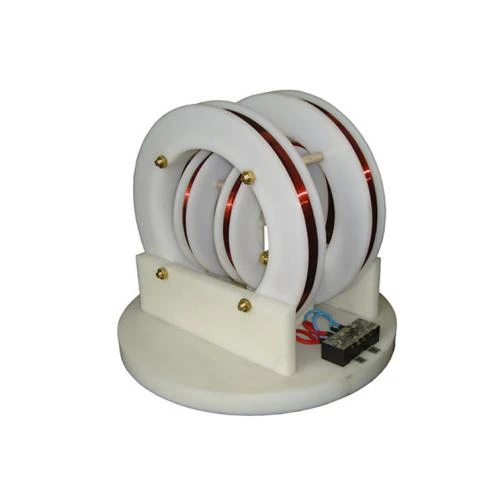
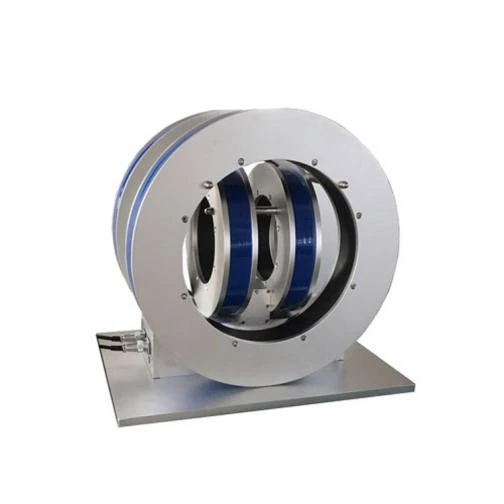
Our company is proud to introduce our latest product, the 2DXHC Two-Dimensional Helmholtz Coil.
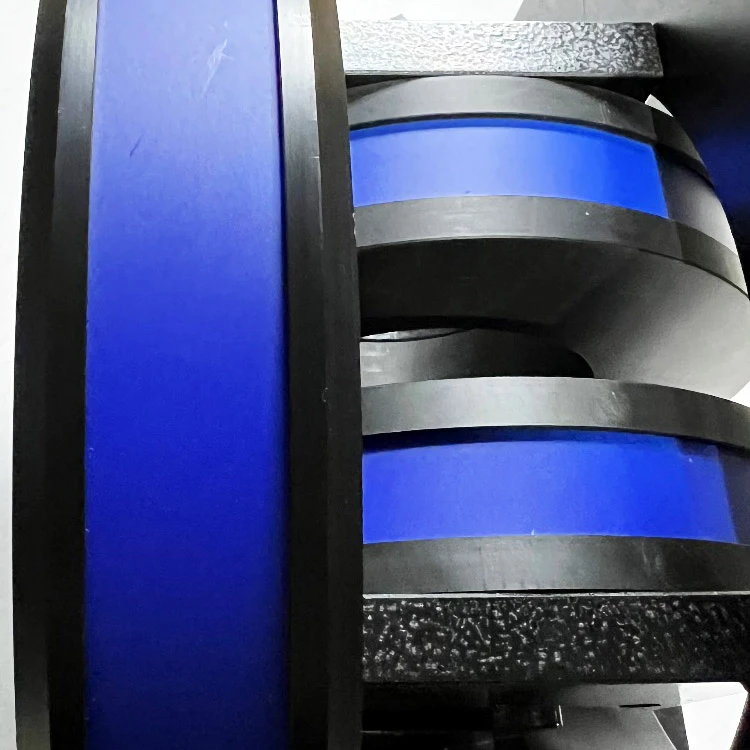
The 2DXHC coil is a unique and versatile tool, designed for use in a wide range of applications across industries. With its two-dimensional configuration, the coil delivers precise and accurate magnetic field generation in areas where traditional Helmholtz coils fall short.
One key feature of the 2DXHC coil is its ability to produce a uniform magnetic field across a two-dimensional surface. This makes it ideal for use in applications such as magnetic resonance imaging (MRI), where a uniform field is critical to obtaining accurate images. The coil's high degree of accuracy also allows it to be used in fields such as materials science, where magnetometry measurements are crucial.
Another advantage of the 2DXHC coil is its compact size. Traditional Helmholtz coils can take up significant floor space in a laboratory or other workspace. With its two-dimensional design, the 2DXHC coil takes up a fraction of the footprint, making it easier to integrate into existing processes and workflows.
In addition to its performance benefits, the 2DXHC coil is also highly customizable. Our team works closely with customers to design and build coils that meet their specific requirements, whether that means adjusting the shape or size of the coil, or adapting it for use in unique environments.
Overall, we believe that the 2DXHC Two-Dimensional Helmholtz Coil represents a significant advancement in magnetic field generation technology. We look forward to working with customers to unlock the full potential of this innovative tool.
Parameters of the 1-axis Helmholtz coil
| Model | Radius | Center magnetic | Uniformity | Homogeneity sphere | Each dimension | The 1 axial | The three dimensional |
| (mm) | field (Gs) | % | diameter(mm) | power range(W) | weight (Kg) | weight (Kg) | |
| DXHC30-50 | 300 | 50 | 5 | 200 | 420 | 55 | |
| 1 | 150 | ||||||
| DXHC30-10 | 300 | 10 | 0.5 | 100 | 90-120 | 12 | 38 |
| 0.1 | 90 | ||||||
| DXHC30-2 | 300 | 2 | 0.05 | 60 | 18~32 | 3.5 | 11 |
| 0.01 | 40 | ||||||
| DXHC25-1000 | 250 | 1000 | 5 | 160 | 5000 | 500 | |
| 1 | 125 | ||||||
| DXHC25-500 | 250 | 500 | 0.5 | 100 | 2500 | 250 | |
| 0.1 | 75 | ||||||
| DXHC25-300 | 250 | 300 | 0.05 | 50 | 1600 | 150 | |
| 0.01 | 33 | ||||||
| DXHC25-100 | 250 | 100 | 5 | 160 | 600 | 50 | |
| 1 | 125 | ||||||
| DXHC25-50 | 250 | 50 | 0.5 | 100 | 300~620 | 30 | 138 |
| 0.1 | 75 | ||||||
| DXHC25-10 | 250 | 10 | 0.05 | 50 | 60~110 | 8 | 32 |
| 0.01 | 33 | ||||||
| DXHC25-2 | 250 | 2 | 5 | 160 | 12~18 | 4 | 14 |
| 1 | 125 | ||||||
| DXHC20-500 | 200 | 500 | 0.5 | 80 | 2000 | 160 | |
| 0.1 | 60 | ||||||
| DXHC20-300 | 200 | 300 | 0.05 | 40 | 1000 | 96 | |
| 0.01 | 26 | ||||||
| DXHC20-100 | 200 | 100 | 5 | 130 | 350 | 32 | |
| 1 | 100 | ||||||
| DXHC20-50 | 200 | 50 | 0.5 | 80 | 200~520 | 16 | 54 |
| 0.1 | 60 | ||||||
| DXHC20-10 | 200 | 10 | 0.05 | 40 | 40~65 | 8 | 28 |
| 0.01 | 26 | ||||||
| DXHC20-5 | 200 | 5 | 1 | 100 | 20~32 | 6 | 22 |
| 0.1 | 60 | ||||||
| DXHC20-2 | 200 | 2 | 1 | 100 | 8~10 | 4 | 15 |
| 0.1 | 60 | ||||||
| DXHC15-300 | 150 | 300 | 5 | 100 | 660 | 54 | |
| 1 | 75 | ||||||
| DXHC15-100 | 150 | 100 | 0.5 | 60 | 220 | 18 | |
| 0.1 | 45 | ||||||
| DXHC15-50 | 150 | 50 | 0.05 | 30 | 110~330 | 12 | 38 |
| 0.01 | 20 | ||||||
| DXHC15-10 | 150 | 10 | 1 | 75 | 21~42 | 6 | 24 |
| 0.1 | 45 | ||||||
| DXHC10-200 | 100 | 200 | 5 | 66 | 200 | 19 | |
| 1 | 50 | ||||||
| DXHC10-100 | 100 | 100 | 0.5 | 40 | 100 | 15 | |
| 0.1 | 30 | ||||||
| DXHC10-50 | 100 | 50 | 0.05 | 20 | 50~180 | 9 | 20 |
| 0.01 | 10 | ||||||
| DXHC10-10 | 100 | 10 | 1 | 50 | 10~24 | 3.5 | 13 |
| 0.1 | 30 | ||||||
| DXHC7-100 | 70 | 100 | 5 | 45 | 50 | 7 | |
| 1 | 35 | ||||||
| DXHC7-50 | 70 | 50 | 0.5 | 28 | 24~120 | 5 | 17 |
| 0.1 | 21 | ||||||
| DXHC7-10 | 70 | 10 | 0.05 | 14 | 5~24 | 2 | 8 |
| 0.01 | 9.3 |
Typical cases
|
Model |
Parameters |
Reference picture |
|
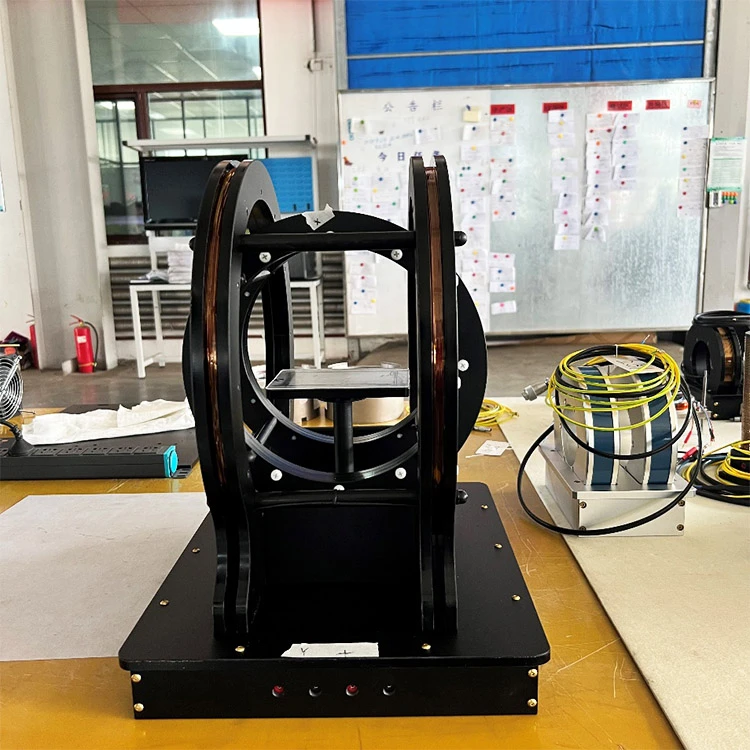
2DXHC20-100 |
Magnetic field direction of X axis and Z axis orthogonal to each other; The X axis's highest magnetic field intensity is 100 Gs, the Z axis is 1 Gs; The minimum average diameter is 400 mm; The homogeneity sphere is Φ55 mm; Evenness 0.1%; The X-axis power is 350 W. |
|
|
2DXHC11-240 |
Magnetic field direction of X axis and Z axis orthogonal to each other; The X-axis horizontal magnetic field can be rotated; The X axis's highest magnetic field intensity is 240 Gs, the Z axis is 240 Gs; The minimum average diameter is 220 mm; The homogeneity sphere is Φ30 mm; Evenness 0.1%; the Z-axis power is 800 W, X-axis power is 2800 W. |
|
|
2DXHC6-20 |
Magnetic field direction of X axis and Y axis orthogonal to each other; The X axis's highest magnetic field intensity is 20 Gs, the Y axis is 20 Gs; The minimum average diameter is 120 mm; The homogeneity sphere is Φ30 mm; Evenness 0.1%; The X-axis power is 15 W, X-axis power is 30 W. |
|
|
2DXHC20-10 |
Magnetic field direction of the X axis and Y axis orthogonal to each other; The X axis's highest magnetic field intensity is 200 Gs, the Y axis is 200 Gs; The minimum average diameter is 200 mm; The homogeneity sphere is Φ30 mm; Evenness 0.1%; The X-axis power is 180 W, and Y axis power is 700 W. |
|
Application of helmholtz coil
4.1 Generate a standard magnetic field;
4.2 Calibration of Hall probes and various magnetometers;
4.3 Compensation of geomagnetic field;
4.4 Determination of magnetic shielding effect;
4.5 Measurement and elimination of space radiation magnetic field;
4.6 Research on the magnetic properties of matter;
4.7 Research on biomagnetism;
For example, in the laboratory, Helmholtz coils can be used to measure the properties of magnetic materials, such as magnetization and hysteresis loops. In medical equipment, Helmholtz coils can be used to generate magnetic fields to help treat certain diseases, such as cancer and neurological disorders. In geophysics and astronomy, Helmholtz coils can be used to measure the magnetic fields of the Earth and planets. In the field of engineering, Helmholtz coils are also used to manufacture high-precision sensors. These sensors can accurately measure the magnetic flux in the environmental magnetic field and analyze various other physical quantities in a variable phase through this quantified magnetic field data. Therefore, Helmholtz coils have become an indispensable part of the engineering field
FAQ