




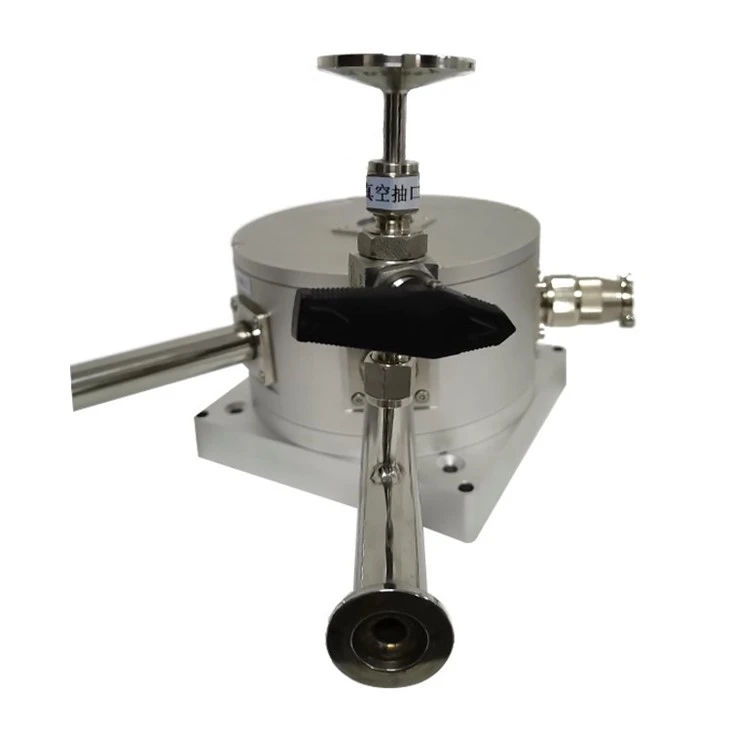
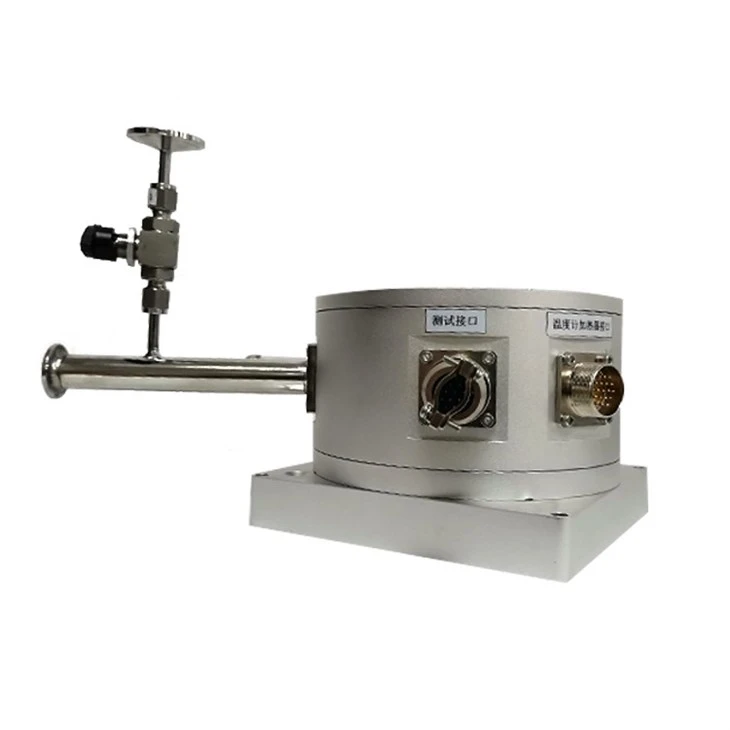

Continuous Flow Liquid Helium Cryostat
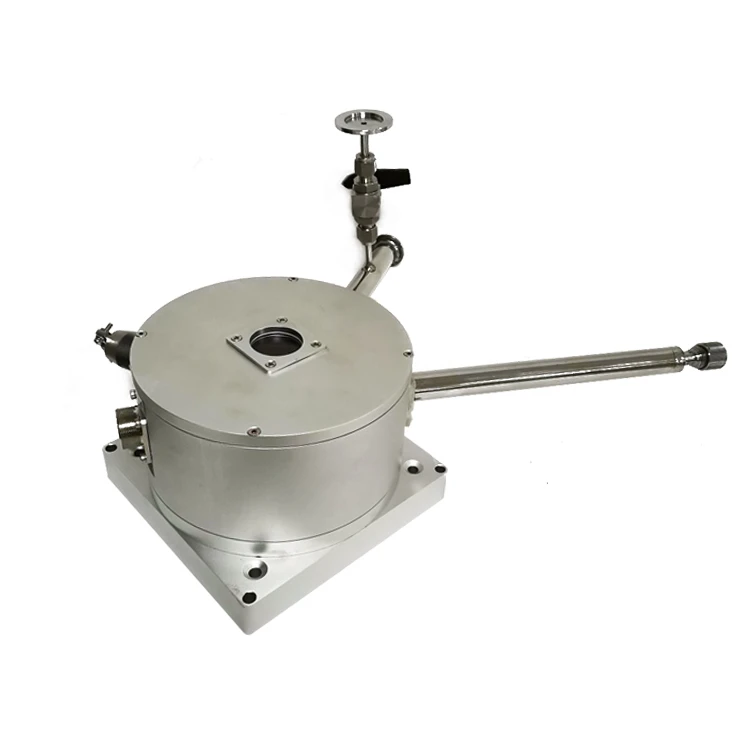
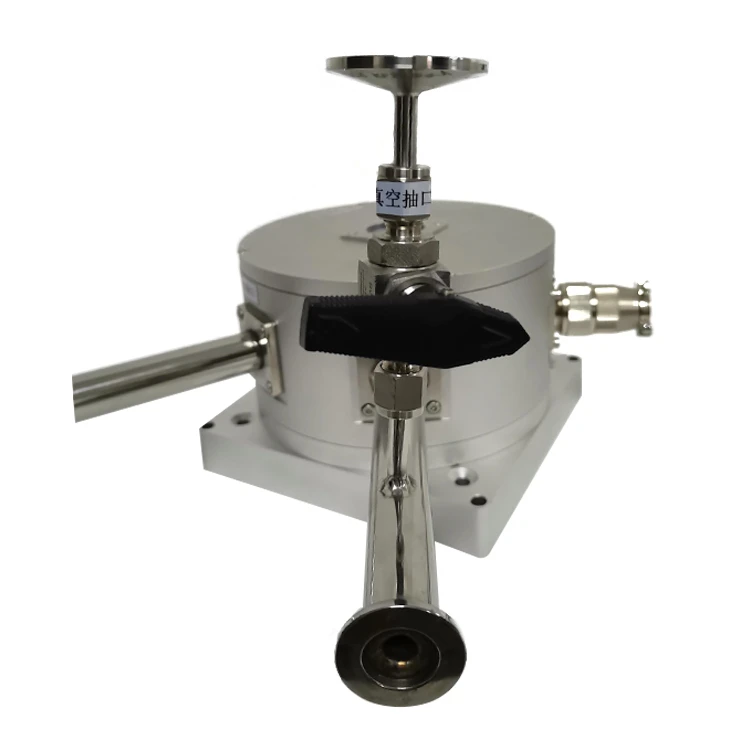
Introduction
Continuous Flow Liquid Helium Cryostat is an advanced device designed to cool liquids, powders and samples with poor thermal conductivity and irregular shapes.
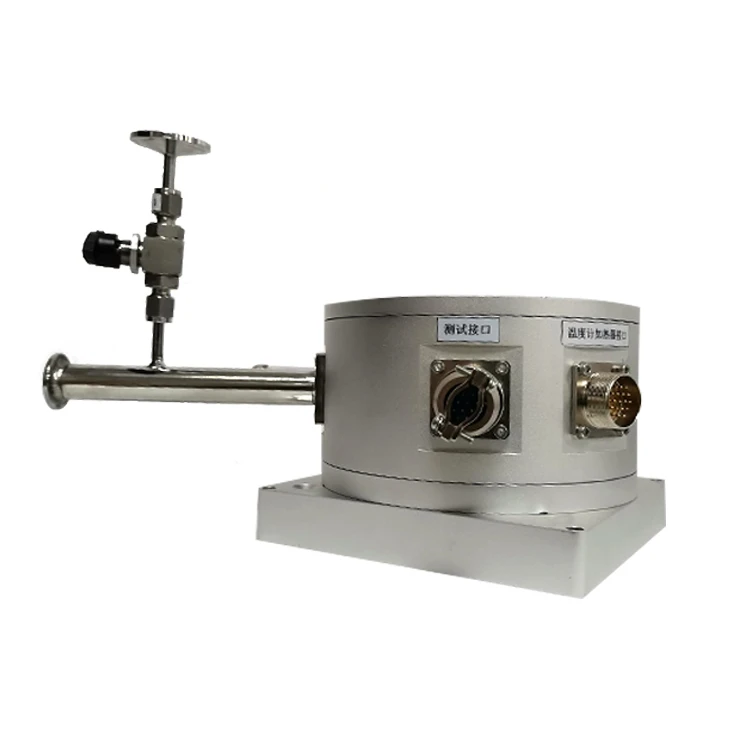
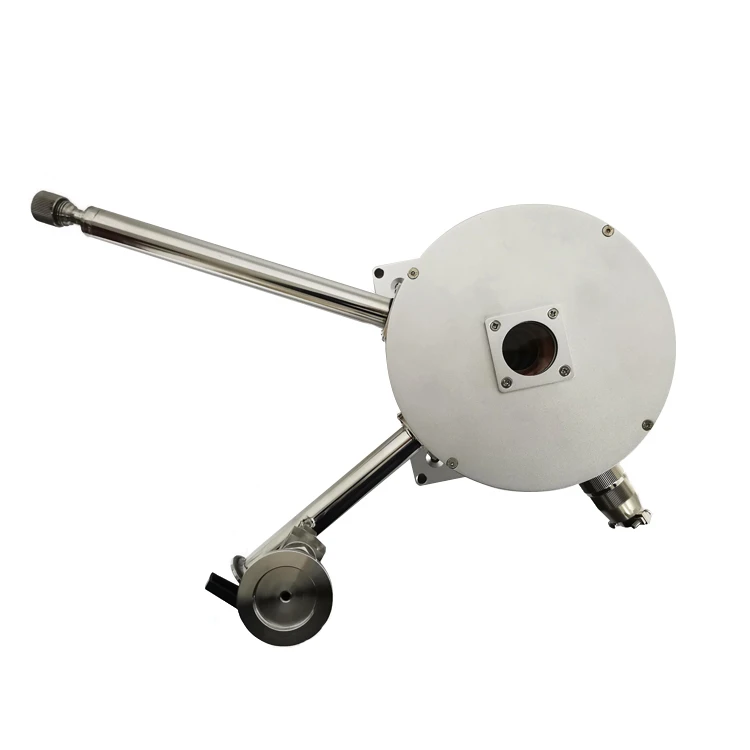
The Dexing Magnet continuous flow liquid helium cryostst, with its unique design, provides a stable and efficient constant temperature environment for samples in flowing steam. For samples that are difficult to thermally anchor, have poor thermal conductivity or are irregularly shaped, this thermostat provides excellent cooling. In the process of use, the low-pressure refrigerant enters the inside of the thermostat through the liquid inlet, passes through the pre-laid low-temperature heat leakage capillary tube, and finally enters the evaporation amplifier. The evaporator is equipped with a heater and temperature controller to precisely control the temperature of the steam and inject the temperature-controlled steam into the sample chamber via a sensor. The cooled steam is discharged through the outlet to realize the recycling of gas, which is both environmentally friendly and energy saving. This continuous flow thermostat features a top-loading design that makes sample replacement easier. Its compact overall design, combined with the magnets and brackets produced by Dexing Magnet, can be easily placed in the magnetic field while obtaining a larger magnetic field range. This design not only improves the efficiency of the experiment, but also reduces the difficulty of operation, so that researchers can focus more on the experiment itself.
In terms of functional features, this thermostat has the advantage of adjustable temperature range, which can be selected between 4K~325K, 80K~325K, and optionally 475K according to experimental requirements. Its cooling effect is excellent, which can ensure that the sample is heated evenly, and avoid affecting the experimental results due to local overheating or undercooling. At the same time, it is suitable for cooling all kinds of samples with irregular shapes and low thermal conductivity, which provides more experimental possibilities for scientific researchers. When it comes to sensors, the thermostat also excels. According to the different temperature range, it uses a silicon diode temperature sensor and PT100 platinum resistance sensor to ensure the accuracy and stability of the measurement. In magnetic field environments, it can also use the CernoxTM field insensitive temperature sensor to meet the needs of special experiments.
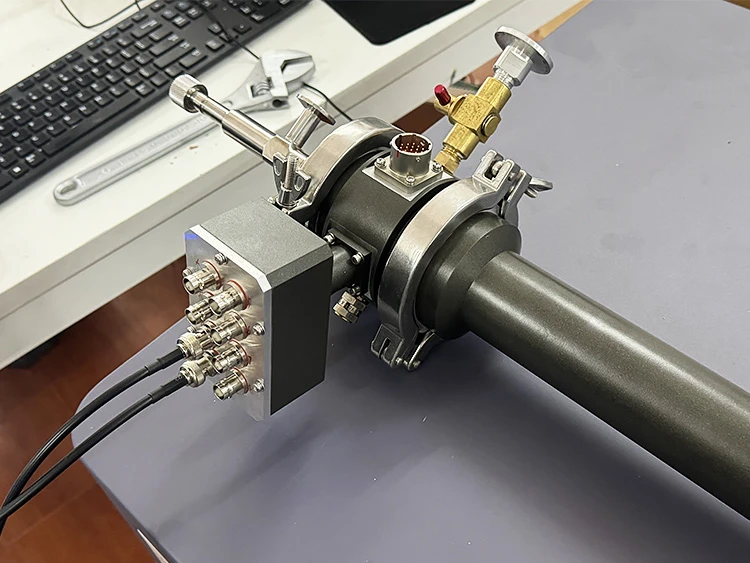
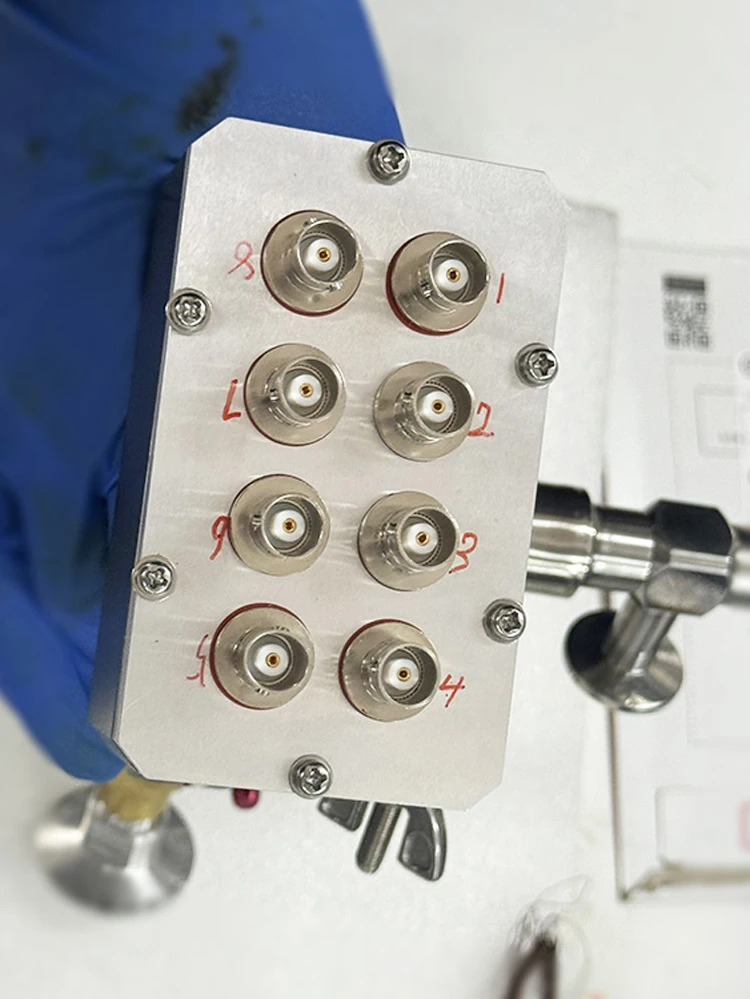
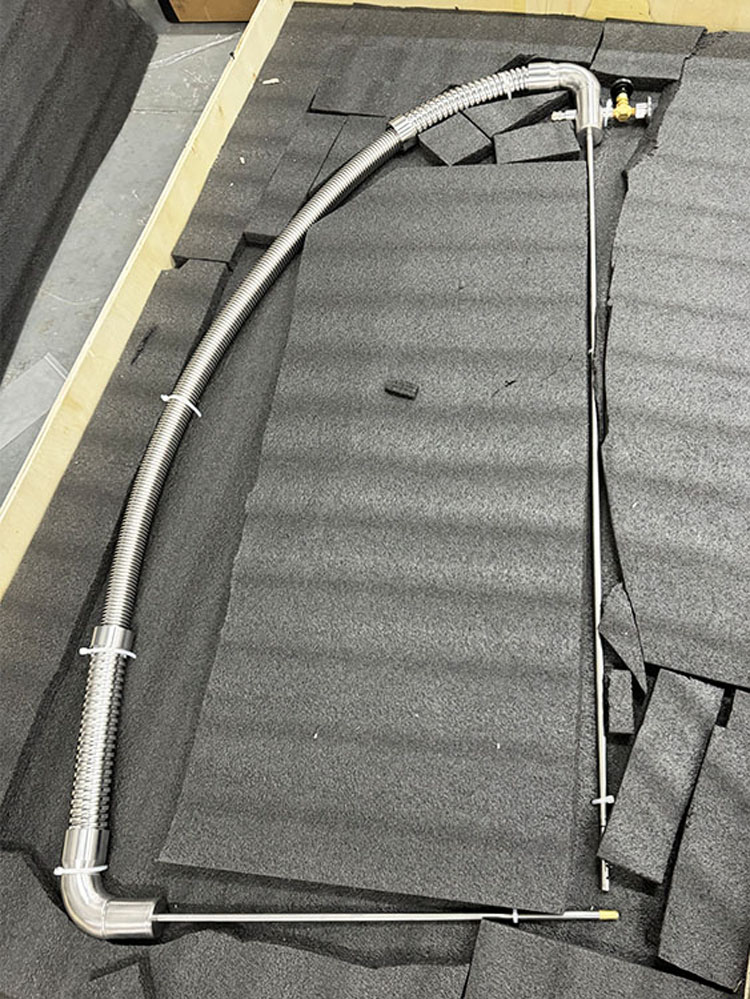
In addition, this thermostat has other practical functions. For example, the built-in charcoal can improve the vacuum degree and provide a more stable environment for the experiment. The standard set of 8 measurement leads can be extended to 32 to meet the needs of complex experiments. At the same time, a removable stainless steel infusion line is used to connect the cryostat to the Dewar bottle, and the flow is controlled by a needle valve, making the operation more flexible and convenient.
Technical Parameters:
|
Item |
Technical Parameters |
|
Temperature range |
4K-325K, 80K-325K |
|
Cooling time |
(Room temperature-80K) about 20 minutes; (Room temperature-4.2K) about 30 minutes |
|
Electrical connector |
Standard configuration is an 8-pin electrical measurement connector |
|
Thermometer |
PT100 thermometer, diode thermometer, Cernox thermometer optional |
|
Temperature stability |
+0.01K depends on temperature controller |
|
Heater |
1 50w heater |
|
Vacuum interface |
KF25 standard interface |
|
Sample rotation angle |
Samples can be rotated 360 degrees |
|
Required vacuum degree |
The vacuum degree of the sandwich layer and the vacuum degree of the sample cavity are ≤1Pa. |
|
Liquid nitrogen consumption |
1.5L@4.2K/h |
|
Liquid nitrogen chamber volume |
About 1.6L |
|
Window selection |
Fused quartz, infrared silicon material, sapphire, zinc selenide, zinc sulfide, cadmium, telluride, germanium, silicon, cadmium fluoride, mylar, kapton, beryllium, etc. The size can be customized according to different usage requirements. |
|
Selection instructions |
The main samples tested by this type of thermostat are liquids, powders, samples with poor thermal conductivity and irregular shapes. |
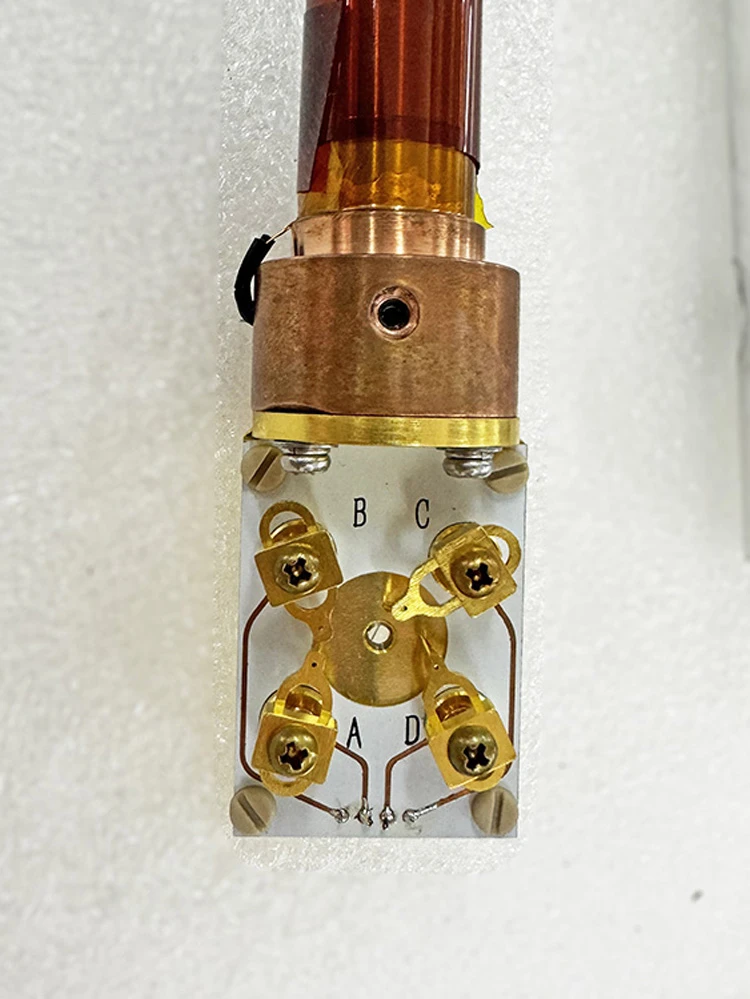
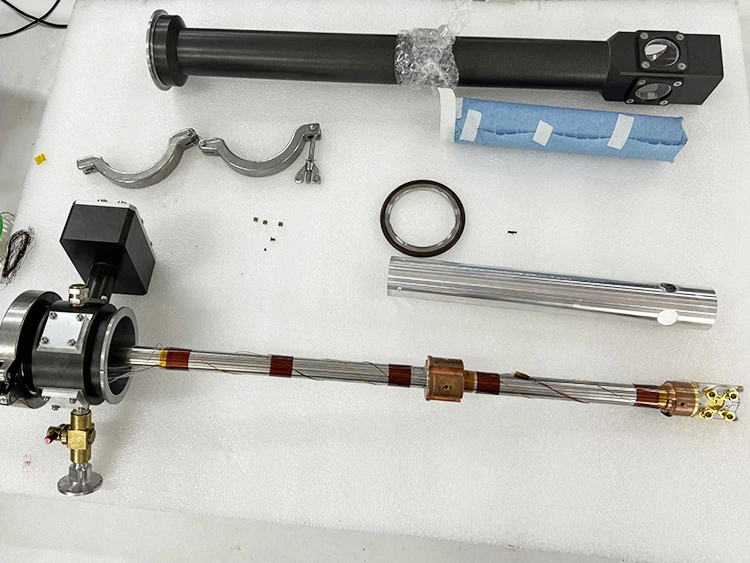
Actual pictures
FAQ