




I. Product Overview
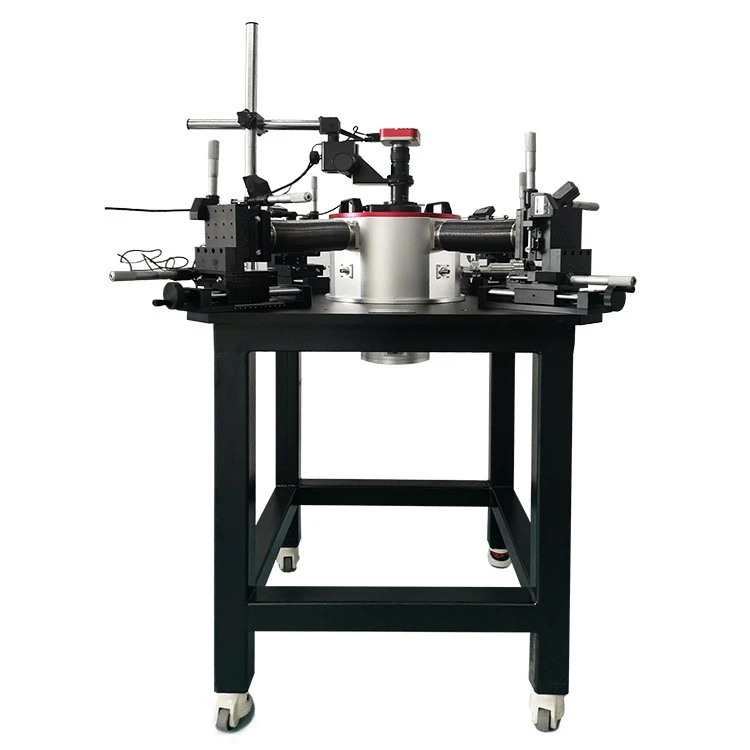
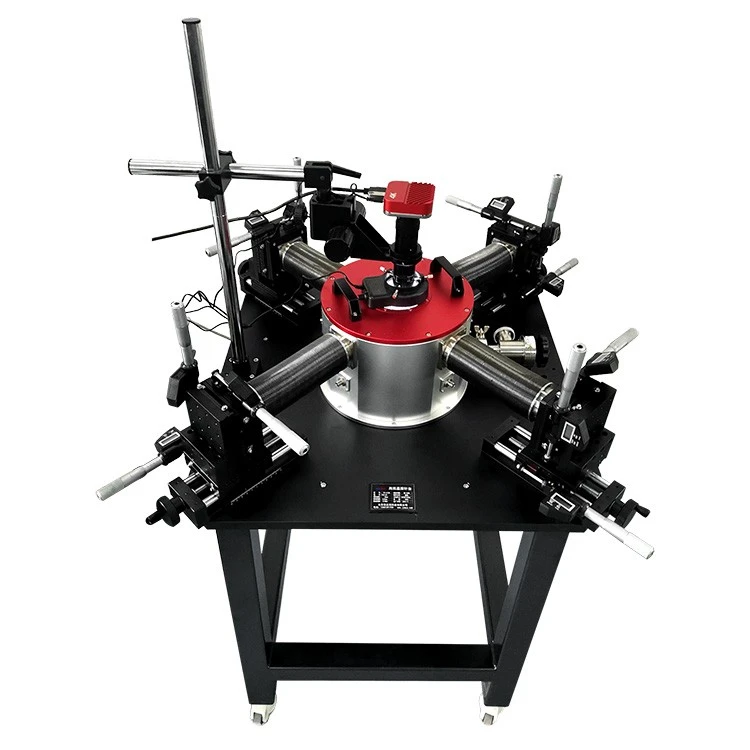
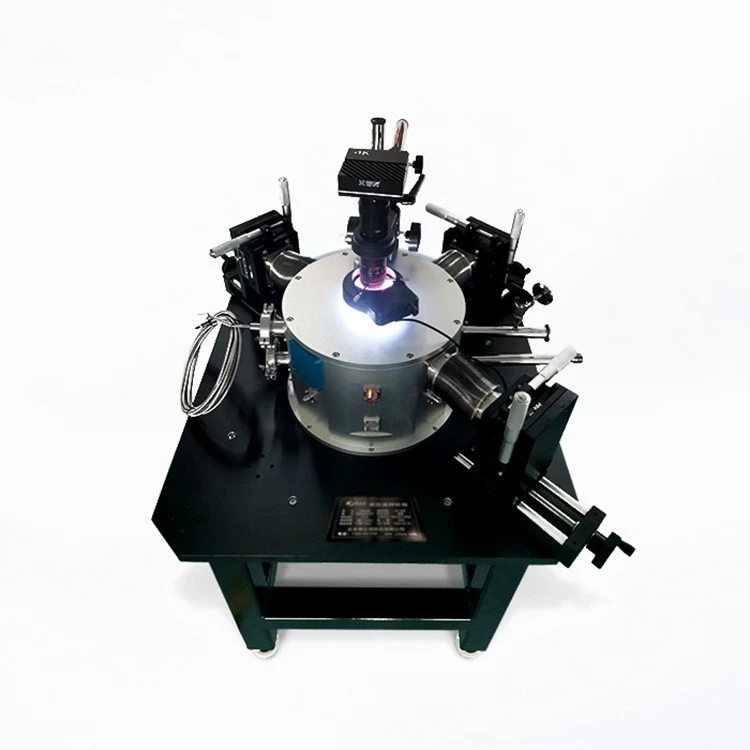
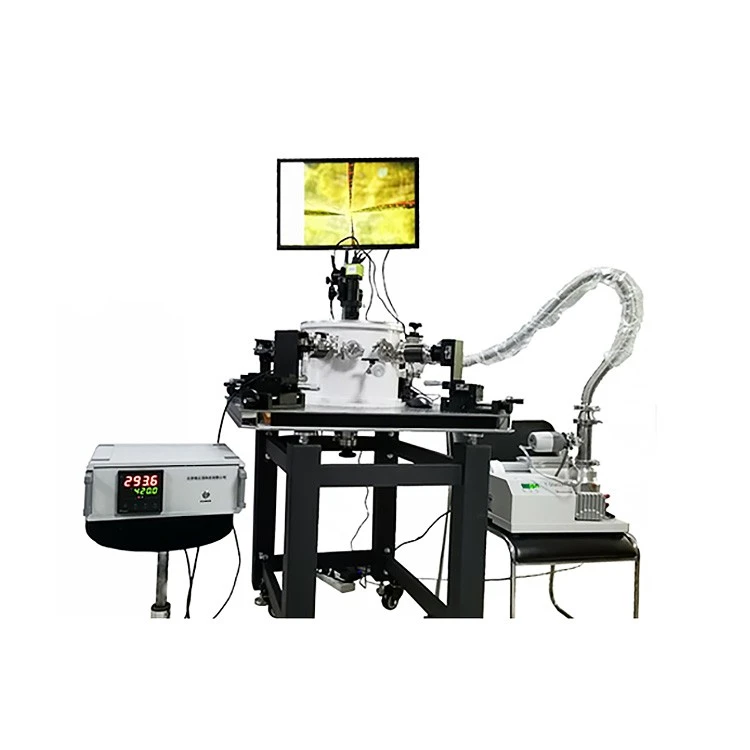
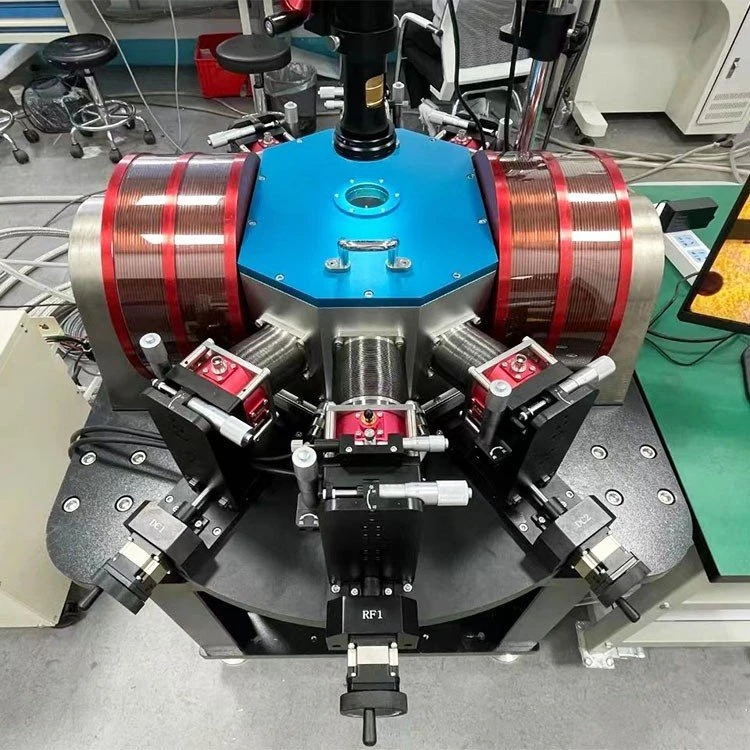
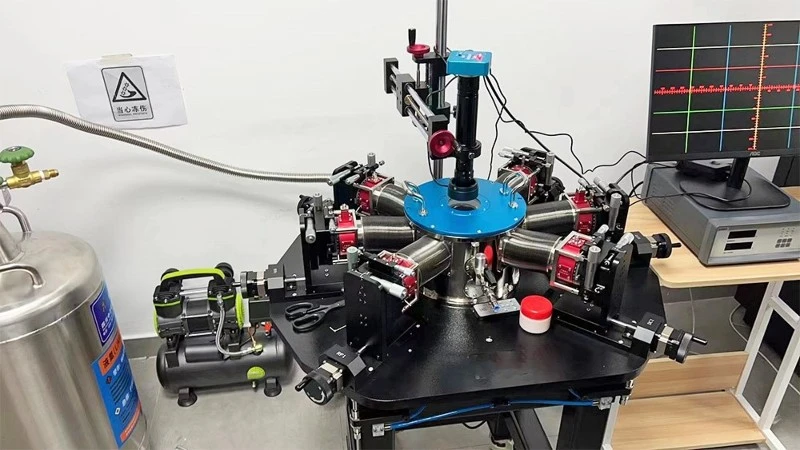
This cryogenic probe station (optional: high temperature, low temperature, vacuum, magnetic field) is a high-precision, multi-functional experimental platform designed for testing the electrical and magnetic properties of semiconductor materials, micro-nano devices, magnetic materials, spintronic devices and related technical fields.
II. Core Features
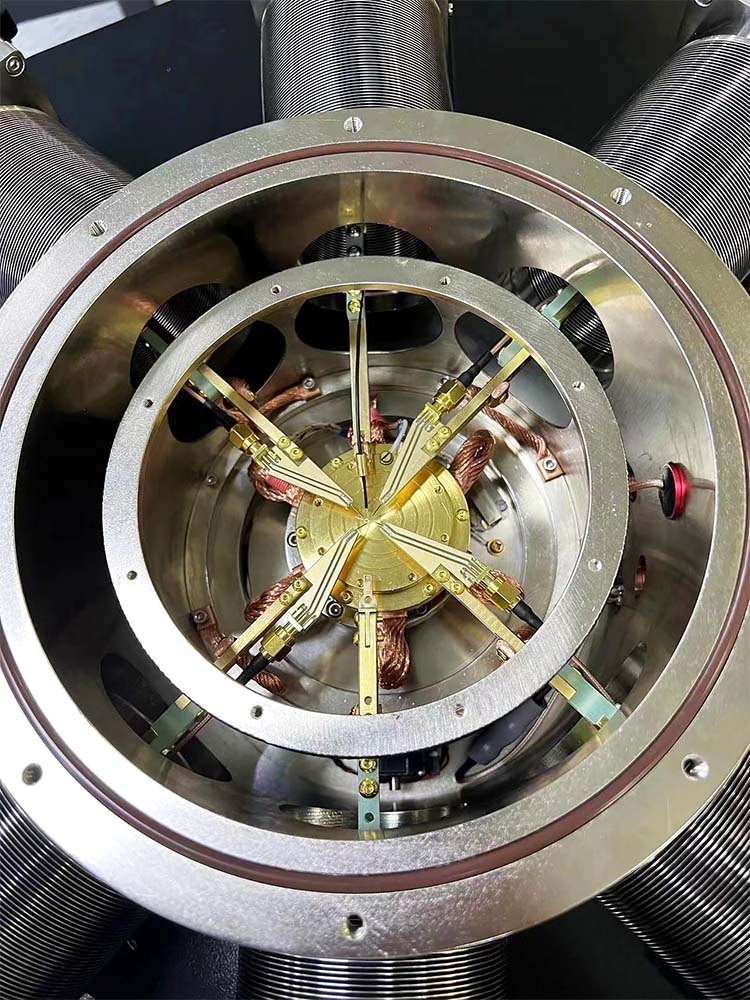
1. High-precision experimental platform: The probe station has a probe arm with high-precision displacement, which can accurately operate and test tiny samples.
2. Multi-function configuration: According to user needs, high temperature, low temperature, vacuum, magnetic field and other configurations can be selected to meet the needs of various complex experimental environments.
3. High-stability magnetic field: Through a carefully designed magnetic field system combined with a high-precision bipolar constant current power supply, the high stability of the magnetic field is ensured.
4. Displacement stage design: The displacement stage is equipped with a magnetic fluid seal to achieve two-dimensional movement and 360-degree rotation of the sample stage in the horizontal direction, and the operation is flexible and convenient.
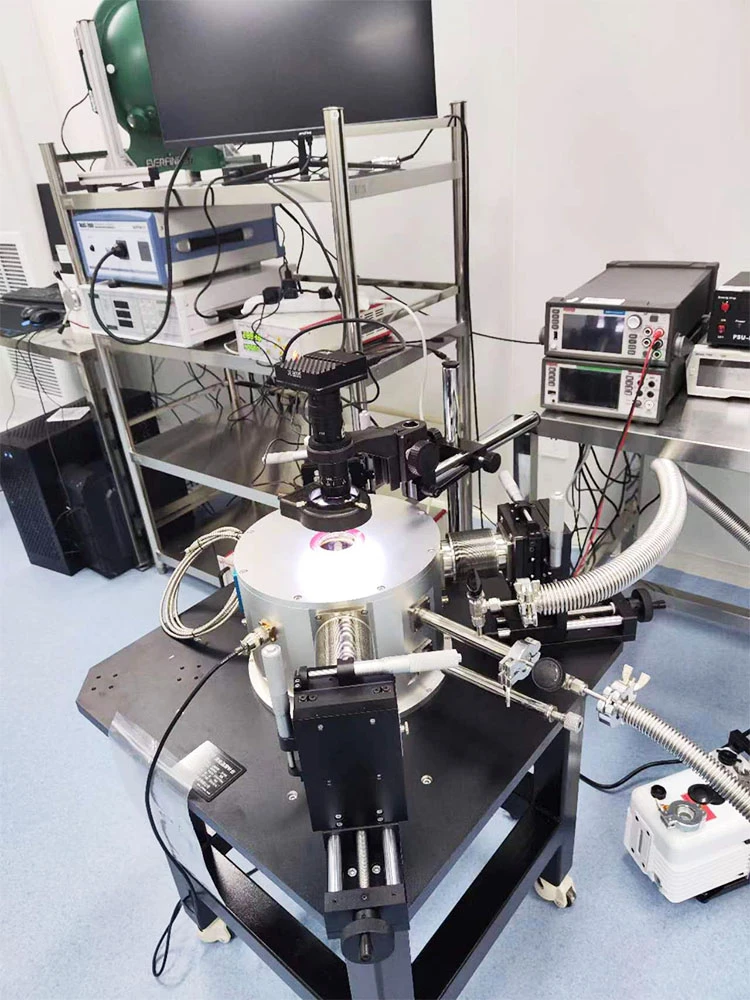
5. Microscopic observation: Equipped with a high-precision electron microscope, it is convenient for users to observe and operate tiny samples in detail.
III. Application fields
This probe station is widely used in the fields of semiconductor industry, micro-electromechanical systems, superconductivity, electronics, ferroelectronics, physics, materials science and biomedicine, including but not limited to:
Magnetic performance test
Microwave performance test
DC, RF performance test
MEMS performance test
Superconducting performance test
Photoelectric performance test of nanocircuits, quantum dots and wires
Chip test in high and low temperature vacuum environment
Material test
Hall test
Electromagnetic transport performance test, etc.
Ⅳ. Optional accessories
In order to meet the needs of different users, we provide a series of optional accessories, including:
Various DC probes, high-frequency probes, active probes
Wired CCD or C-MOS video imaging device
Suction cup motion device electromagnet system/superconducting magnet system
1Mpa positive pressure system upgrade
Ultra-high temperature upgrade option
Ultra-high vacuum upgrade option
Various probe fixtures
Shielded box anti-vibration table
Adapter
Silent vacuum pump, etc.
Parameters
|
High and low temperature vacuum magnetic field probe station |
|||
|
Model |
DXTPS1 |
DXTPS2 |
DXTPS3 |
|
Vacuum degree |
Maximum vacuum 10-8Pa |
||
|
Cavity Material |
Non-magnetic stainless steel or aluminum alloy |
||
|
Magnetic Field Range |
2000Gs @ 50mm |
5000Gs @ 50mm |
1T @ 50mm |
|
Magnetic Field Direction |
horizontal (can be designed according to user requirements in the vertical direction) |
||
|
Power supply |
Bipolar power supply ± 50A |
Bipolar Power Supply ± 70A |
Bipolar Power Supply ± 90A |
|
Power supply stability |
50ppm optional 10ppm |
||
|
Refrigeration mode |
Liquid helium/liquid nitrogen refrigeration/closed cycle refrigerator |
||
|
Temperature Range |
5 K-325K optional 500K |
||
|
Temperature Range |
65 K-325K optional 600K |
||
|
Temperature Control Resolution |
0.001K temperature controller related |
||
|
Temperature stability |
better than 0.1K depending on the temperature controller |
||
|
Temperature sensor |
silicon diode/PT 100 |
||
|
Sensors |
One sample table, one radiation screen and one probe arm. |
||
|
Sample table size (max) |
Φ50mm, flatness ≤ u7m |
||
|
Sample table fixing method |
Vacuum Silicone Grease/Spring Presses |
||
|
Sample table material |
gold-plated oxygen-free copper |
||
|
Microscope Travel |
X, Y plane 2*2inch, accuracy 1um, Z axis travel ≥ 50.8mm |
||
|
Magnification |
16 ~ 100X/20 ~ 4000X |
||
|
Vacuum chamber observation window size |
1 inch |
1.5 inch |
2 inch |
|
Window Materials |
fused silica (optional K9, calcium fluoride, etc.) |
||
|
Number of probe arms |
2, 4, 6, 8 optional |
||
|
Probe Arm Travel |
25 mm-25mm-12mm replaceable |
||
|
Mechanical accuracy |
10um/ 2um/ 1um/ 0.7um |
||
|
Interface form |
Ordinary vacuum joint/three coaxial joint/BNC/ SMA, etc |
||
|
Probe diameter |
0.51mm |
||
|
Needle tip diameter |
10um/ 5um/ 1um optional |
||
|
Probe material |
Tungsten/GGB |
||
|
Supply voltage |
AC220V 50Hz/60Hz |
AC380V 50Hz/60Hz |
|
Parameter confirmation before purchase:
The maximum number of inches of wafers or devices that need to be tested; whether it is necessary to test fragments or single chips; the smallest single chip size;
How high is the mechanical precision requirement of the probe station;
The electrode size of spot measurement sample; 100μm*100μm or 60μm*60μm pad, or the mini pad made by FIB, or the metal circuit inside the ic;
A maximum of several probes are required for point measurement at the same time;
Whether the probe card test will be used;
How much is the minimum resolution of the optical microscope required;
In terms of microscopy, is it necessary to add a polarizer for LC liquid crystal hotspot detection;
Whether the current requirement reaches 100fa or below during the probe spot test! Does the low capacitance requirement need to be 0.1pf; Whether there is a radio frequency requirement;
What are the connected test instrument interfaces;
Whether heating or cooling is required when testing the environment! Whether a closed cavity is required;
What about Chuck's leakage requirements; Do you need to add a low-impedance chuck;
Whether an anti-shock table is required;
If you add a shockproof table, whether there is compressed air.
More pictures of the Cryogenic Probe Station
Deliver, shipping and serving
We deeply recognize the key role of logistics in enhancing the sense of shopping experience, so we are committed to designing the efficient, safe and reliable logistics and transportation networks tailored for you. We have established long -term and powerful partnerships with many well -known logistics providers to ensure that your products reach your destination in a timely and safe manner. In addition, we provide a comprehensive tracking service to allow you to understand the transportation status of the product. We give priority to customers, constantly strive to improve service quality, and strive to provide you with excellent shopping experience.



FAQ
Question 1: What are the characteristics of high and low-temperature vacuum probes to micro-observation and imaging capabilities?
Answer:
1. High-resolution: The probe desk is equipped with a high-resolution microscope system that can observe the appearance and structure of the surface of the sample in real time. This is vital to the appearance characteristics, defect analysis and material representation of research devices.
2. Imaging capabilities: Microscope systems usually have a variety of imaging modes, such as optical imaging, electronic imaging, etc., to meet different samples and experimental needs. These imaging patterns can provide rich image information and help researchers understand the nature of the sample.
Question 2: What are the functions of data collection and analysis software in high and low-temperature vacuum probes?
Answer:
1. Real-time collection: The probe desk needs to be equipped with advanced data collection and analysis software to achieve real-time collection of electrical, micro and material analysis data.
2. Processing and analysis: Data collection software usually has multiple data processing and analysis functions, such as image processing, data fitting, and three-dimensional reconstruction.
Question 3: What are the characteristics of high- and low-temperature vacuum probes in terms of micro-observation and imaging capabilities?
Answer:
High-resolution: The probe desk is equipped with a high-resolution microscope system that can observe the appearance and structure of the surface of the sample in real time. This is vital to the appearance characteristics, defect analysis and material representation of research devices.
Imaging capabilities: Microscope systems usually have a variety of imaging modes, such as optical imaging, electronic imaging, etc., to meet different samples and experimental needs.