



-
Cost-effective rotary magnetic scales balance precision with rugged simplicity. Look for designs using standardized sensor chips (like Hall effect or TMR) that ditch proprietary components-this slashes replacement costs. Models with incremental encoding often undercut absolute counterparts while delivering sufficient accuracy for most industrial tasks, from conveyor belt tracking to robotic joint control.
-
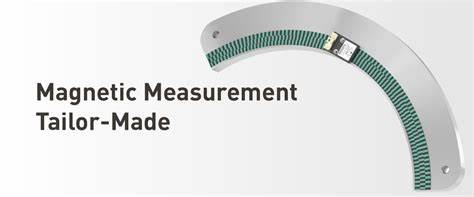
Durability drives long-term savings. Scales encased in resin-bonded magnetic strips resist grime and moisture, thriving in environments where optical scales falter. A food packaging plant, for instance, might pick scales that endure flour dust and washdowns without needing seals or frequent recalibration.
-
Modularity matters. Some scales integrate self-diagnostic firmware, alerting technicians to alignment issues before errors cascade. Others adopt split designs: a disposable magnetic ring pairs with a reusable reader head, cutting replacement costs by 60% compared to monolithic units.
Beware false economies. Cheap scales using ferrite magnets lose strength near motors or heat sources, while those with etched steel bands maintain stability. For small workshops, hybrid scales offering ±0.1° accuracy at half the price of laser encoders hit the budget-performance sweet spot. The key? Match the scale's tolerance to your noisiest real-world conditions-over-engineering wastes cash.