



How to find the polarity of the magnet you created?
Determining the Polarity of a Homemade Magnet
Identifying the polarity of a magnet you've created is essential for applications like assembling motors, sensors, or magnetic tools. Here's a simple, equipment-friendly method to determine its north (N) and south (S) poles:
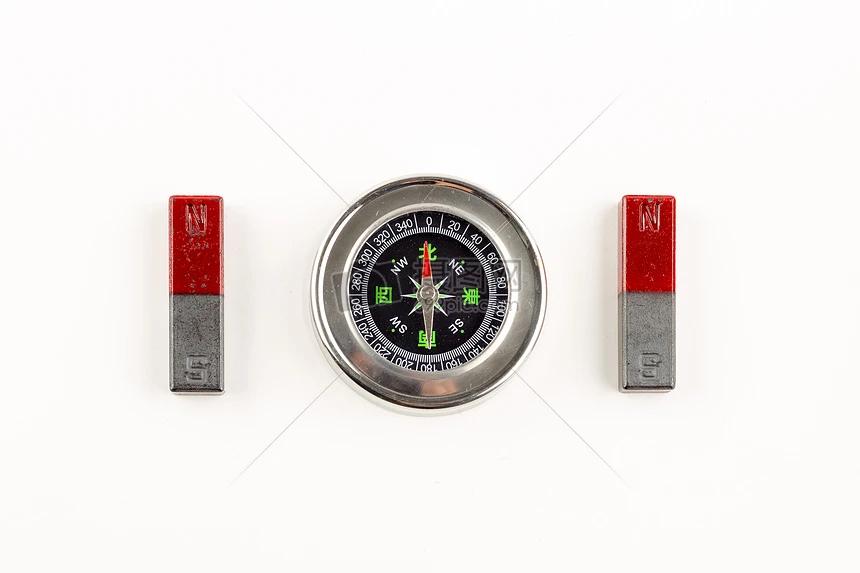
1. Use a Reference Magnet or Compass:
If you have a labeled magnet or a compass, bring your homemade magnet close to it. The compass needle's north-seeking end (usually marked) will point toward your magnet's south pole. Conversely, the end of your magnet attracted to the compass's north is its own south pole.
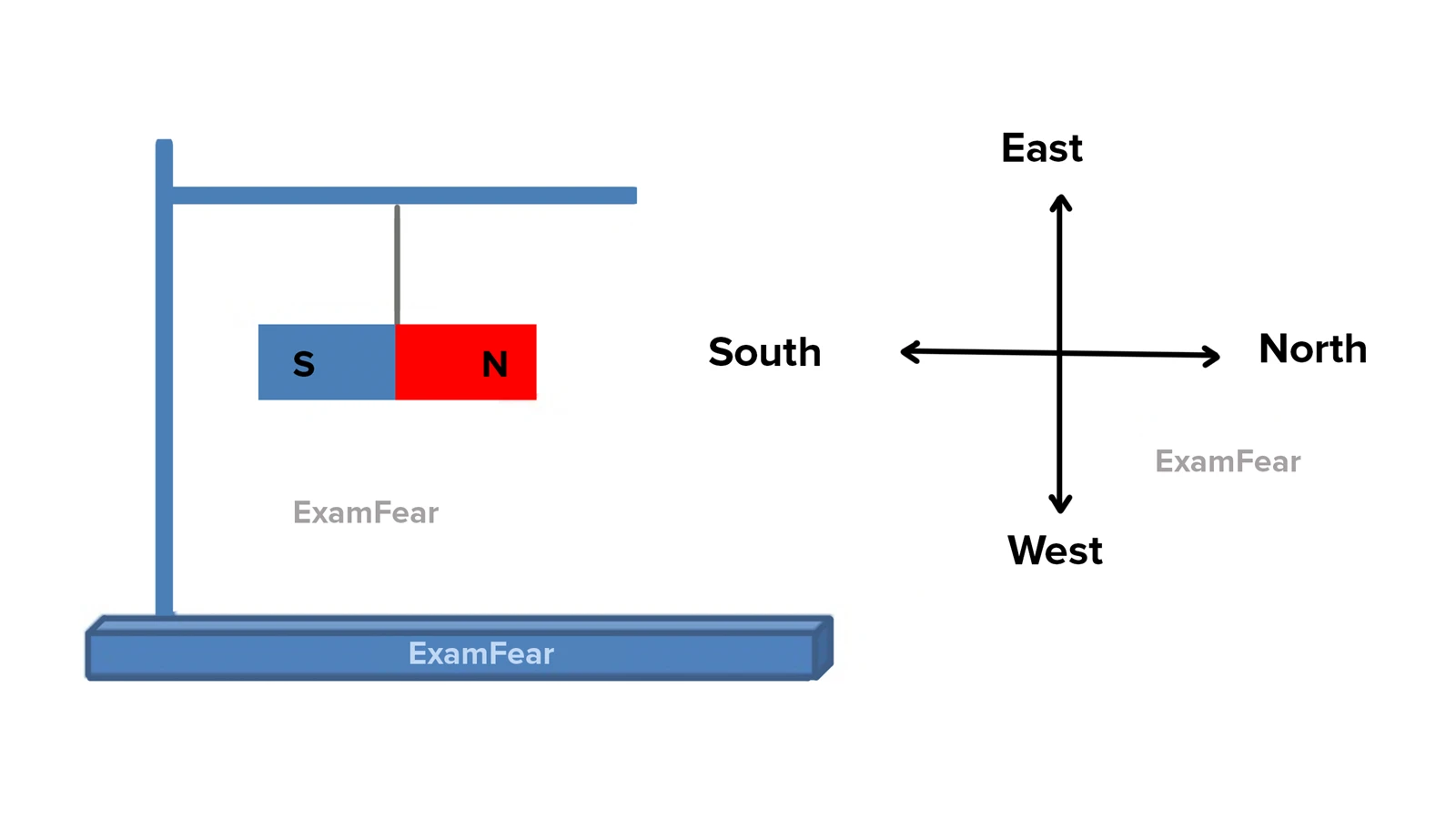
2. Suspension Method:
Suspend the magnet freely using a non-metallic string. The end that aligns toward Earth's geographic north (aligned with the planet's magnetic south) is your magnet's north pole. This works due to Earth's natural magnetic field.
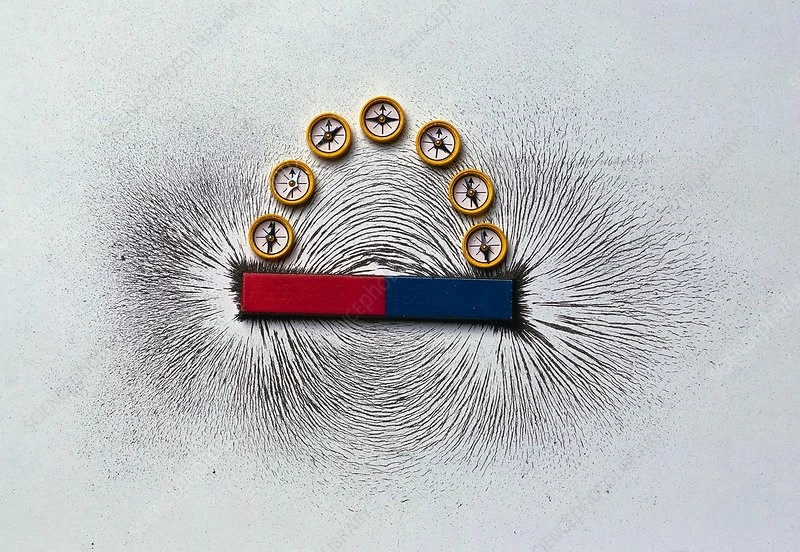
3. Test with Iron Filings:
Place a sheet of paper over the magnet and sprinkle iron filings. The filings will form lines curving from the north to south pole. While this doesn't directly label poles, it reveals the magnetic field direction, helping infer polarity.
Why It Matters:
Knowing polarity ensures proper alignment in devices, prevents reverse magnetization in systems, and guarantees efficiency in magnetic assemblies. Always mark poles clearly after identification for future use.
By applying these methods, you can confidently determine and utilize your magnet's polarity without specialized tools.