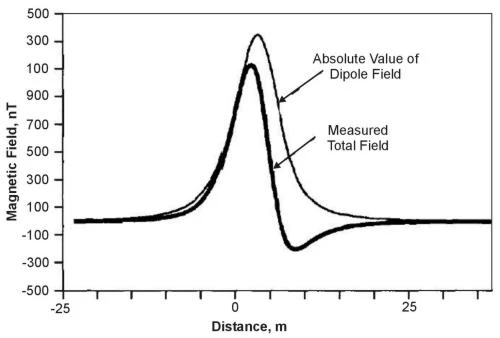
What are the suggested methods of locating magnetic fields?
To locate magnetic fields, pros mix tech with clever improvisation. Industrial inspectors often drag a Hall effect probe across pipelines-its LED blips red when catching corrosion-induced field leaks. Archaeologists swing fluxgate gradiometers like high-tech divining rods; their paired sensors cancel Earth's background field, zeroing in on buried iron artifacts.
For stealthier fields, cryogenic SQUIDs (Superconducting Quantum Interference Device) enter the game. Neurologists nestle these supercooled loops under patients' heads to trace epilepsy-linked brain waves, while volcanologists bury them near lava tubes to catch magnetic tremors hinting at eruptions.
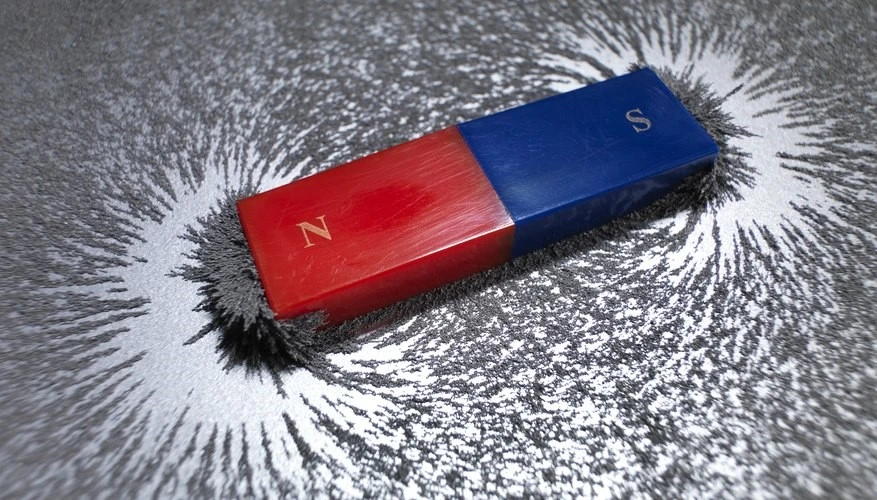
Don't overlook low-tech hacks. Electricians sprinkle iron filings around motors to "see" stray fields via their bristling patterns. Farmers planting near power lines sometimes repurpose old CRT TV screens-their warped colors reveal electromagnetic interference zones.
Modern workarounds? Drones with magnetometer pods map mineral deposits in rugged terrain, while satellites track shifting magnetic anomalies to predict solar storms. Key rule: always mute ambient noise. Engineers wrap gear in mu-metal (a nickel-iron alloy) shields, and coders write algorithms to filter out subway trains' magnetic "footprints" during urban research.
From garage tinkerers to Mars rover teams, locating fields boils down to pairing the right sensor with stubborn curiosity.