| Measuring the Pull Force of a Magnet: Key Methods and Tips |
|
|
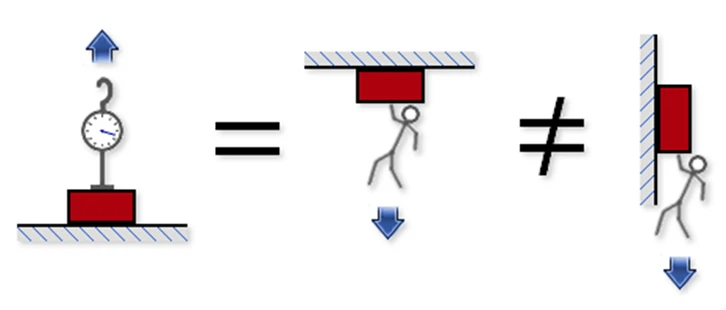
| Determining the pull force of a magnet-the maximum force required to detach it from a surface-is critical for applications like industrial machinery, robotics, or product design. Below are practical methods to measure this force accurately: |
| |
1. Direct Measurement with a Force Gauge
|
| |
| Tools: A digital force gauge (tensile tester) and a ferrous test plate (e.g., steel). |
| Process: |
| Secure the magnet to the test plate. |
| Attach the force gauge to the magnet via a non-magnetic hook or fixture. |
| Pull perpendicular to the surface until the magnet detaches. |
| Record the peak force displayed, which represents the pull force in pounds (lb) or kilograms (kg). |
| |
|
|
| For large or heavy magnets, leverage principles can simplify measurement: |
| |
| Attach the magnet to a steel surface. |
| Use a calibrated weight and a lever (like a non-magnetic rod) to apply force gradually. |

| Calculate pull force using the formula: |
|
| |
|
|
| A budget-friendly approach using a mechanical spring scale: |
| |
| Fix the magnet to a steel plate. |
| Connect the scale to the magnet with a wire or strap. |
| Pull steadily until separation occurs, noting the maximum force on the scale. |
| |
Factors Affecting Accuracy
|
| |
| Surface Condition: Rough or uneven surfaces reduce pull force due to incomplete contact. |
| Material Thickness: Thicker ferrous materials (e.g., steel) enhance magnetic adhesion. |
| Alignment: Pulling at an angle (instead of perpendicular) lowers measured force. |
| Temperature: Extreme heat can demagnetize materials, skewing results. |
| |
|
|
| |
| Quality Control: Manufacturers test batches of magnets to ensure consistency in products like motors or magnetic fasteners. |
| Safety Testing: Heavy-lifting magnets in construction or logistics require certified pull force ratings to prevent accidents. |
| Design Optimization: Engineers use pull force data to select magnets for robotic grippers or medical devices. |
| |
|
|
| |
| Conduct multiple tests and average results to account for variability. |
| Use standardized test plates (e.g., 1018 steel) for comparable measurements. |
| Label magnets with pull force values for easy integration into assemblies. |
| |
| By applying these methods, professionals can ensure magnets meet performance requirements while enhancing safety and efficiency in their applications. |


