



Understanding Magnetic Sensor Sensitivity: Converting mV/V/Gauss to V/V/Tesla
Magnetic sensors are vital in industries like automotive, robotics, and energy, where precise magnetic field measurements matter. A common specification for these sensors is sensitivity, often expressed in mV/V/Gauss. But what does this unit mean, and how does it translate to Tesla, the standard SI unit for magnetic fields?
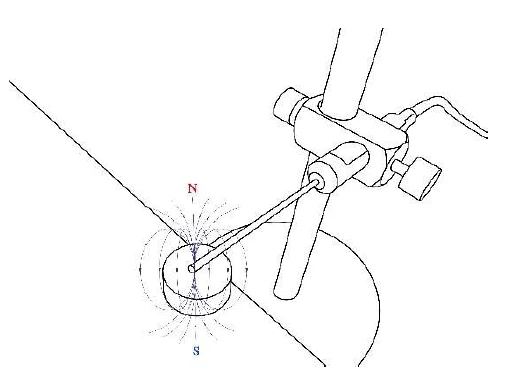
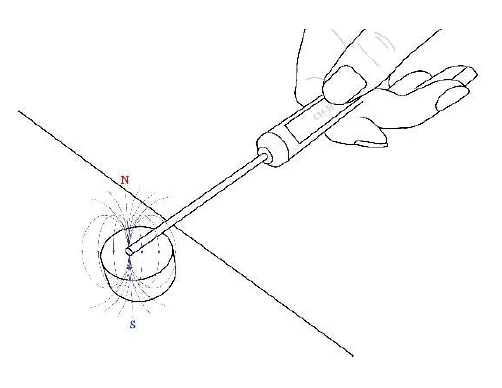
Breaking Down the Units
mV/V: This represents millivolts of output per volt of excitation voltage. For example, a 5 mV/V sensitivity means a 5 mV output for every 1 V supplied to the sensor.
Gauss vs. Tesla: 1 Tesla (T) equals 10,000 Gauss (G). Smaller fields are often measured in Gauss, while Tesla is used for stronger fields.
The Conversion
To convert 1 mV/V/Gauss to V/V/Tesla:
Recognize that 1 Gauss = 10⁻⁴ Tesla.
Sensitivity per Tesla = Sensitivity per Gauss × (1 / 10⁻⁴) = 1 mV/V/G × 10,000.
Convert mV to V: 10,000 mV = 10 V.
Thus, 1 mV/V/Gauss = 10 V/V/Tesla.
Why This Matters
Standardization: Using Tesla aligns with global scientific and industrial norms.
Clarity: High-sensitivity sensors (e.g., Hall-effect devices) often operate in milliTesla ranges. Expressing sensitivity in V/V/T simplifies system design.
Practical Applications
Automotive: Wheel speed sensors use Tesla-scale sensitivity for ABS systems.
Industrial: Current sensors in power converters rely on precise Tesla measurements for efficiency.
Understanding unit conversions ensures accurate sensor integration, bridging theoretical specs with real-world performance.