



Adjusting the coil orientation of an AC Helmholtz Coil is a crucial step in optimizing its magnetic field. As a supplier of AC Helmholtz Coils, I've witnessed firsthand the impact that proper coil orientation can have on the performance of these devices. In this blog post, I'll share some insights on how to adjust the coil orientation to achieve the best possible magnetic field.
Understanding the Basics of AC Helmholtz Coils
Before delving into the details of coil orientation adjustment, it's essential to understand the basic principles of AC Helmholtz Coils. A Helmholtz Coil consists of two identical circular coils placed parallel to each other and separated by a distance equal to their radius. When an alternating current (AC) is passed through these coils, they generate a relatively uniform magnetic field in the region between them.
The uniformity of the magnetic field is one of the key advantages of Helmholtz Coils. This uniformity makes them ideal for a wide range of applications, including magnetic field calibration, testing of magnetic sensors, and scientific research. However, the quality of the magnetic field can be significantly affected by the orientation of the coils.
Factors Affecting the Magnetic Field of AC Helmholtz Coils
Several factors can influence the magnetic field generated by AC Helmholtz Coils. These include the coil geometry, the distance between the coils, the number of turns in each coil, the current flowing through the coils, and, of course, the orientation of the coils.
The orientation of the coils refers to their position and alignment in space. If the coils are not properly aligned, the magnetic field may become distorted, resulting in reduced uniformity and accuracy. Therefore, it's crucial to ensure that the coils are correctly oriented to optimize the magnetic field.
How to Adjust the Coil Orientation
Adjusting the coil orientation of an AC Helmholtz Coil requires careful planning and precision. Here are the steps you can follow to ensure that the coils are properly oriented:
Step 1: Determine the Desired Magnetic Field Direction
The first step in adjusting the coil orientation is to determine the desired direction of the magnetic field. This will depend on the specific application of the Helmholtz Coil. For example, if you're using the coil to calibrate a magnetic sensor, you'll need to align the magnetic field with the sensitive axis of the sensor.
Step 2: Mount the Coils on a Stable Base
Once you've determined the desired magnetic field direction, you'll need to mount the coils on a stable base. The base should be level and rigid to prevent any movement or vibration that could affect the coil orientation. You can use a variety of mounting options, such as brackets, clamps, or a custom-designed frame.
Step 3: Align the Coils
After mounting the coils on the base, you'll need to align them carefully. The coils should be parallel to each other and centered along the same axis. You can use a spirit level or a laser alignment tool to ensure that the coils are properly aligned.
Step 4: Adjust the Distance Between the Coils
The distance between the coils is another important factor that can affect the magnetic field. For a Helmholtz Coil, the optimal distance between the coils is equal to their radius. You can use a ruler or a caliper to measure the distance between the coils and adjust it as needed.
Step 5: Check the Magnetic Field
Once you've adjusted the coil orientation and the distance between the coils, you'll need to check the magnetic field to ensure that it meets your requirements. You can use a magnetic field sensor or a gaussmeter to measure the magnetic field strength and uniformity. If the magnetic field is not satisfactory, you may need to make further adjustments to the coil orientation or the distance between the coils.
Importance of Coil Orientation in Different Applications
The proper orientation of AC Helmholtz Coil coils is crucial in various applications. Here are some examples:
Magnetic Field Calibration
In magnetic field calibration, accurate and uniform magnetic fields are essential. Any misalignment of the coils can lead to errors in the calibration process, resulting in inaccurate measurements. By adjusting the coil orientation, you can ensure that the magnetic field is properly calibrated and meets the required standards.
Testing of Magnetic Sensors
When testing magnetic sensors, the orientation of the magnetic field is critical. The magnetic field should be aligned with the sensitive axis of the sensor to obtain accurate and reliable test results. By adjusting the coil orientation, you can ensure that the magnetic field is properly aligned with the sensor, improving the accuracy of the testing process.
Scientific Research
In scientific research, precise control of the magnetic field is often required. Whether it's studying the behavior of magnetic materials or conducting experiments on the interaction between magnetic fields and biological systems, the orientation of the coils can have a significant impact on the results. By adjusting the coil orientation, you can optimize the magnetic field and obtain more accurate and reproducible results.
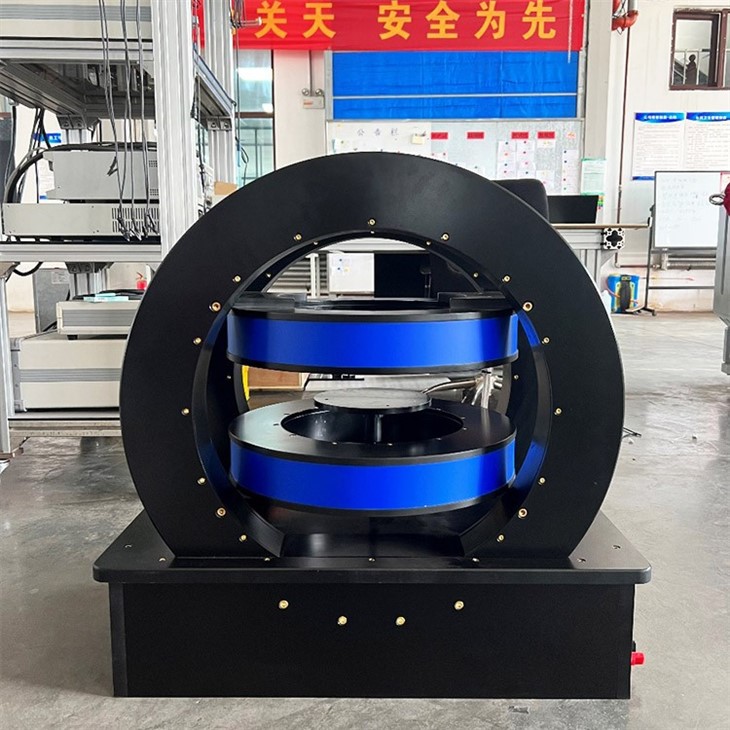

Our Product Offerings
As a leading supplier of AC Helmholtz Coils, we offer a wide range of products to meet the diverse needs of our customers. Our product portfolio includes Square Helmholtz Coil, Magnetic Flux Coil, and 2 Axis Helmholtz Coil. These coils are designed with high precision and quality materials to ensure optimal performance and reliability.
Our team of experts is always available to provide technical support and assistance in choosing the right product for your specific application. We can also help you with the installation and calibration of the coils to ensure that they are properly oriented and optimized for your needs.
Contact Us for Procurement
If you're interested in purchasing AC Helmholtz Coils or have any questions about our products and services, please don't hesitate to contact us. Our dedicated sales team is ready to assist you with your procurement needs and provide you with a competitive quote. We look forward to working with you to optimize your magnetic field applications.
References
- Electromagnetism: Principles and Applications, by Paul Lorrain and Dale Corson
- Introduction to Magnetic Fields and Their Measurement, by David Jiles
- The Physics of Magnetic Materials, by Richard C. O'Handley