



Hey there! As a supplier of flux meters, I often get asked about the difference between a flux meter and a gaussmeter. It's a common question, and I'm here to break it down for you in a way that's easy to understand.
Let's start with the basics. Both flux meters and gaussmeters are used to measure magnetic fields, but they do it in different ways and for different purposes.
What is a Gaussmeter?
A gaussmeter, also known as a magnetometer, is a device that measures the magnetic field strength at a specific point in space. It gives you a reading in gauss (G) or tesla (T), which are units of magnetic field intensity. Gaussmeters are super handy when you need to know the strength of a magnetic field at a particular spot.
They're commonly used in a variety of industries. For example, in the electronics industry, gaussmeters are used to test the magnetic fields around electronic components to make sure they're within safe limits. In the research field, scientists use them to study the magnetic properties of materials. And in the automotive industry, gaussmeters can be used to check the magnetic fields in motors and other components.
Gaussmeters usually have a probe that you place at the location where you want to measure the magnetic field. The probe contains sensors that detect the magnetic field and convert it into an electrical signal. The gaussmeter then processes this signal and displays the magnetic field strength on a screen.
What is a Flux Meter?
On the other hand, a flux meter measures the total magnetic flux passing through a given area. Magnetic flux is basically the amount of magnetic field lines passing through a surface. It's measured in webers (Wb).
Flux meters are often used in applications where you need to know the overall magnetic effect over an area, rather than just the field strength at a single point. For example, in the manufacturing of transformers and motors, flux meters are used to measure the magnetic flux in the cores to ensure proper performance. They're also used in the testing of magnetic materials to determine their magnetic properties.
One of the key differences between a flux meter and a gaussmeter is how they measure. A flux meter typically uses a search coil. When the magnetic field passing through the coil changes, it induces an electromotive force (EMF) in the coil. The flux meter measures this induced EMF and integrates it over time to calculate the total magnetic flux.
Key Differences
Measurement Principle
As I mentioned earlier, a gaussmeter measures the magnetic field strength at a point, while a flux meter measures the total magnetic flux through an area. This difference in measurement principle means that they're suited for different types of applications.
Application Focus
Gaussmeters are great for applications where you need to know the local magnetic field strength. For example, if you're designing a circuit board and you want to make sure that the magnetic fields from nearby components aren't going to interfere with each other, a gaussmeter is the tool for the job.
Flux meters, on the other hand, are more useful when you're dealing with the overall magnetic behavior of a system. For instance, if you're manufacturing a large magnetic device like a generator, you'll want to use a flux meter to measure the total magnetic flux passing through the core to ensure it's operating efficiently.
Units of Measurement
Gaussmeters measure in gauss or tesla, which are units of magnetic field intensity. Flux meters measure in webers, which is a unit of magnetic flux. This difference in units reflects the different physical quantities that they're measuring.
Our Flux Meters
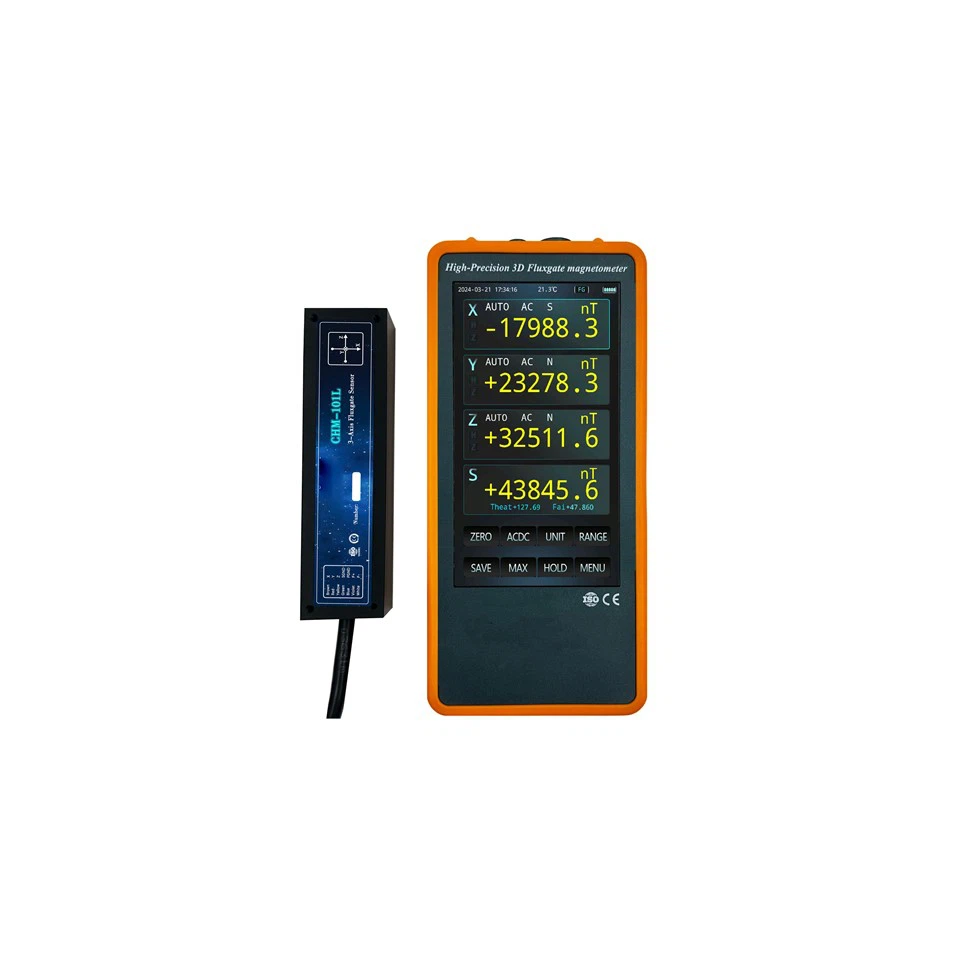
At our company, we offer a range of high - quality flux meters. For example, the DX - 82 Portable Three - Dimensional Flux Gate Meter is a great option for those who need a portable and versatile flux measurement tool. It can measure magnetic flux in three dimensions, giving you a more comprehensive view of the magnetic field.
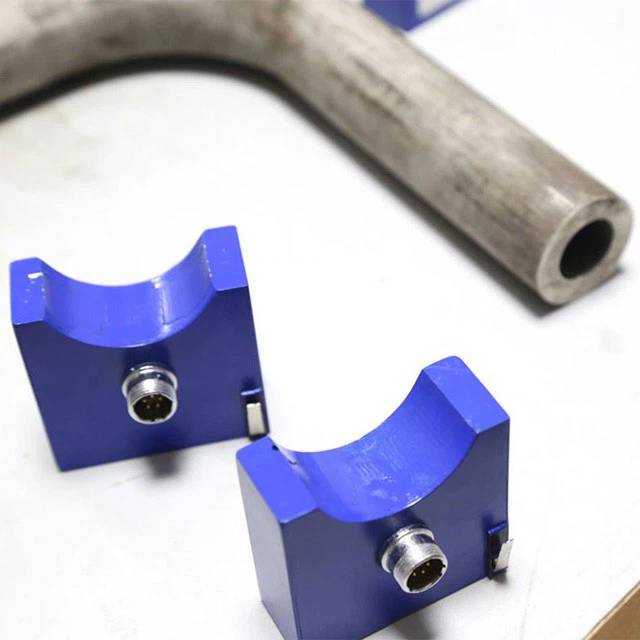
Another one of our products is the Oxide Scale Tester. This specialized flux meter is designed to measure the magnetic properties related to oxide scale, which is useful in industries such as metal manufacturing.
And if you're looking for a more advanced option, our 3d Digital Flux Meter provides accurate and detailed 3D flux measurements. It's equipped with advanced digital technology to ensure precise results.
Why Choose Our Flux Meters?
Our flux meters are designed with the latest technology to provide accurate and reliable measurements. We understand the importance of having precise data in your magnetic field testing applications, whether it's for research, manufacturing, or quality control.
We also offer excellent customer support. If you have any questions about our products, how to use them, or need technical assistance, our team is always ready to help.
Contact Us for Purchase and Consultation
If you're in the market for a flux meter, or if you're still not sure which type of magnetic field measurement device is right for your needs, don't hesitate to get in touch. We can provide you with more detailed information about our products, help you choose the best one for your application, and discuss pricing and purchasing options.
References
- "Magnetic Fields and Their Measurement" - A textbook on magnetic field theory and measurement techniques.
- "Handbook of Magnetic Materials Testing" - A comprehensive guide on testing magnetic materials and using measurement devices.