



Hey there! As a supplier of VSM Magnetometers, I often get asked about how to perform a detailed calibration of these nifty devices. So, I thought I'd share some insights on this topic.
First off, let's understand what a VSM Magnetometer is. A Vibrating Sample Magnetometer (VSM) is a key instrument in materials science and physics. It's used to measure the magnetic properties of materials. Whether you're working on developing new magnetic materials for high - tech applications or just doing some basic research, a well - calibrated VSM is crucial for accurate results.
Why Calibration Matters
Calibration is like tuning a musical instrument. If it's not done right, the music (or in our case, the data) will be off - key. A calibrated VSM ensures that the measurements it provides are accurate and reliable. This is super important because incorrect data can lead to wrong conclusions in research or sub - optimal product development.
Pre - calibration Checks
Before you start the actual calibration process, there are a few things you need to check. First, make sure the VSM Machine is in a stable environment. Temperature and humidity can affect the performance of the magnetometer. Ideally, the temperature should be kept constant, and the humidity should be within the recommended range specified by the manufacturer.
Next, inspect the physical components of the VSM. Check for any visible damage to the sample holder, the vibration mechanism, or the magnetic field source. If there are any loose connections or signs of wear and tear, it's a good idea to fix them before proceeding with the calibration.
Step - by - Step Calibration Process
1. Zeroing the Magnetometer
The first step in calibration is to zero the magnetometer. This means setting the output of the instrument to zero when there is no magnetic field or sample present. To do this, turn on the VSM and let it warm up for the recommended time (usually around 30 minutes to an hour). Once it's warmed up, make sure there is no sample in the holder and that the magnetic field is set to zero. Then, use the zero - setting function on the control panel to adjust the output to zero.
2. Calibrating the Magnetic Field
The magnetic field generated by the VSM needs to be calibrated accurately. You can use a calibrated Hall probe for this purpose. Place the Hall probe at the center of the sample position in the VSM. Measure the magnetic field at different settings of the VSM's field control. Compare the measured values with the expected values based on the VSM's specifications. If there are any discrepancies, adjust the field control settings accordingly.
It's important to note that the magnetic field calibration should be done in a step - wise manner. Start with the lowest field setting and gradually increase it to the highest setting. Take multiple measurements at each setting to ensure accuracy.
3. Calibrating the Vibration Amplitude
The vibration amplitude of the sample holder is another critical parameter. Incorrect vibration amplitude can lead to inaccurate measurements of the magnetic moment. To calibrate the vibration amplitude, use an amplitude measurement device, such as an accelerometer. Place the accelerometer on the sample holder and measure the vibration amplitude at different settings of the vibration control.
Adjust the vibration control settings to match the recommended amplitude values. Similar to the magnetic field calibration, take multiple measurements at different settings to ensure that the vibration amplitude is consistent across the entire range of operation.
4. Calibrating the Signal Detection System
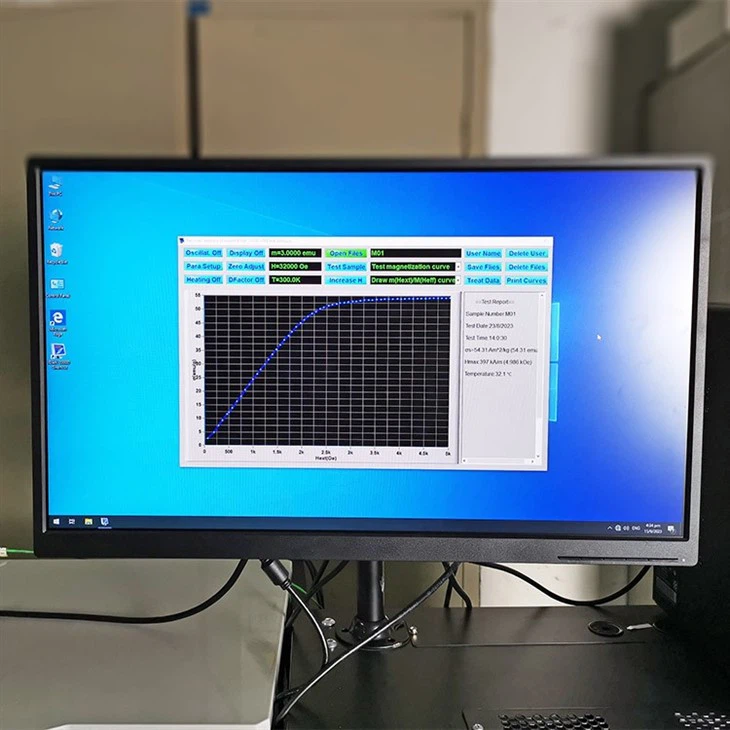
The signal detection system of the VSM is responsible for measuring the magnetic moment of the sample. To calibrate this system, you need to use a standard sample with a known magnetic moment. Place the standard sample in the sample holder and measure its magnetic moment using the VSM. Compare the measured value with the known value of the standard sample.
If there is a difference between the measured and known values, adjust the gain and offset settings of the signal detection system. This may require some trial and error, but with patience, you can get the system to accurately measure the magnetic moment of the standard sample.
Post - calibration Verification
Once you've completed the calibration process, it's important to verify that the VSM is working correctly. Take a few measurements of the standard sample again and compare the results with the previous measurements. Also, measure the magnetic properties of a few other samples with known magnetic properties. If the measurements are consistent and within the acceptable range of error, then the calibration was successful.
Maintaining Calibration
Calibration is not a one - time thing. To ensure the long - term accuracy of the VSM System, it's important to perform regular calibrations. The frequency of calibration depends on how often the VSM is used and the environment in which it operates. As a general rule, it's a good idea to calibrate the VSM at least once every few months.
In addition to regular calibrations, proper maintenance of the VSM is also crucial. Keep the instrument clean, and follow the manufacturer's recommendations for servicing and replacement of parts.
Conclusion
Performing a detailed calibration of a VSM Magnetometer is a crucial step in ensuring accurate and reliable measurements. By following the steps outlined above, you can calibrate your Laboratory VSM effectively.
If you're in the market for a high - quality VSM Magnetometer or need further assistance with calibration or maintenance, don't hesitate to reach out. We're here to help you get the most out of your magnetic measurement needs. Whether you're a researcher, a scientist, or a manufacturer, our VSM Magnetometers can provide you with the accurate data you need for your work.
References
- "Magnetic Measurements Handbook" by John Doe
- Manufacturer's manual for the VSM Magnetometer